Are you considering buying a new heating and cooling system? A high-efficiency heat pump could be just what you're looking for. It's very common that people know less about heat pumps than they do about furnaces or air conditioners, but today's heat pumps models can split your heating costs in half. They also provide cooling in the summer for year-round comfort from just one little system.
If we’ve piqued your interest, now you can learn more from the Experts at Service Experts about available types of heat pumps before you choose what’s best for your home.
What Makes Heat Pumps So Special?
Heat pumps are a distinctive kind of HVAC system capable of both heating and cooling. In the summer, they work much like an AC, using electricity to eliminate heat from your home. But when the weather is cold, a reversing valve allows the equipment to run in reverse, drawing in heat inside to warm up your home.
Apart from this dual functionality, heat pumps are known for their amazing efficiency. Because they transport heat rather than produce it from a fuel source, heat pumps can achieve more than 300% efficiency. This is compared to a maximum of 98% efficiency for modern gas-fired furnaces. By buying a heat pump, you’re not just choosing comfort; you’re promoting sustainability and energy savings.
Three Main Types of Heat Pumps
Although heat pumps have several subcategories, each one can be categorized into one of these main types:
Air-Source Heat Pumps
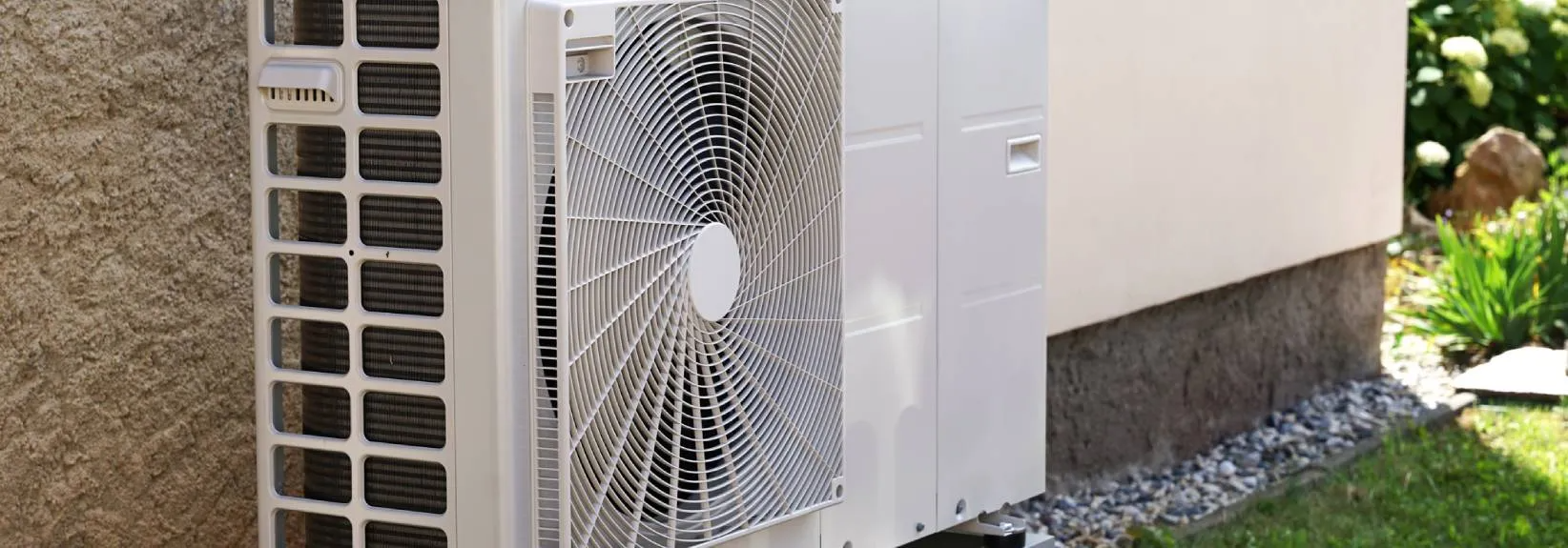
This is the most popular type of heat pump. HVAC technicians find that setup is usually straightforward, and these systems perform exceptionally well in moderate climates. Air source heat pumps make use of the ambient air as a channel for heat exchange. In other words, they extract heat from the outside air during the wintertime and pull heat out of your home during the summer.
Water-Source Heat Pumps
If your home is built close to a body of water like a lake, pond or well, a water-source heat pump might be an efficient way to go. These systems leverage water as the method for heat exchange, providing another efficiency boost. While less widely used than air-source heat pumps because of the need for water nearby, these are a worthwhile option for homeowners with the right environmental conditions.
Ground-Source or Geothermal Heat Pumps
If you are searching for the single most efficient climate control method offered today, ground-source or geothermal heat pumps are worthwhile options. These units function using the earth’s stable underground temperature to create consistent and incredibly efficient heating and cooling. The disadvantage to this variety of heat pump, however, is the complexity and cost of installation, which often requires excavation to lay underground pipes.
Heat Pump Subtypes
As soon as you identify what heat pump style you need in your home, the next step is to choose the right subtype. Your choices include:
Hybrid Heat Pumps
If you reside in an area with significant temperature swings, hybrid heat pumps can give you the best of both worlds. These heat pumps come in two forms:
- Combination air- and ground-source heat pumps switch between these two methods of operation, adapting to current weather conditions for the best efficiency.
- Combination air-source heat pumps and gas furnaces rely on the heat pump during mild weather. Then, when temperatures drop, the gas-fired furnace kicks in, cutting down on the use of energy compared to the backup electric resistance heating coils that come standard.
Solar Heat Pumps
Blending green energy with home heating and cooling is a great way to reduce your energy bills and help the environment. Solar heat pumps work using power generated by solar panels, the perfect setup for environmentally friendly homeowners who still want to benefit from modern climate control.
Heat Pump Installation Options
You have a few choices for installation of your heat pump:
Split-System Heat Pumps
This is the regular setup for most homes already outfitted with ductwork. The indoor unit is usually installed in the basement, attic or utility closet, while the exterior unit is on a concrete slab in your yard.
Packaged Heat Pumps
In this setup, all mechanical elements are housed in a single outdoor unit, often installed on the roof. This is most suitable for homes or commercial buildings that don't have much indoor or yard space.
Ductless mini-split heat pumps
Ductless systems, also called mini-split systems, are created for homes and additions that don't have any ductwork. Each and every room can have an indoor unit attached to a single outdoor unit, supplying targeted climate control and energy savings.
Window Heat Pumps
These new, energy-efficient devices are ideal for small spaces or to meet passing needs. While less efficient than other options, they have the benefit of quick and uncomplicated installation.
Choose Service Experts for Your Heat Pump Needs in the U.S
If it's time to install a heat pump, choose the knowledgeable professionals at Service Experts. With decades of combined experience, 24/7 emergency service and a Service Experts Guarantee, you can expect a job well done every time. Our qualified crew will see to it your heat pump system is tailored to your needs, from installation to scheduled maintenance to occasional repairs.
Do you want to enjoy home comfort and efficiency like never before? Contact Service Experts for heat pump installation in the U.S. Call (866) 963-7996 today for your free, no-obligation estimate!