Have you learned about ductless heating and cooling systems? They’re recognized for their impressive efficiency, but are they as fantastic as they look? Explore the positives and negatives of ductless mini-splits to help you decide if going ductless is the best option for your household in the U.S..
Understanding Ductless Mini-Splits?
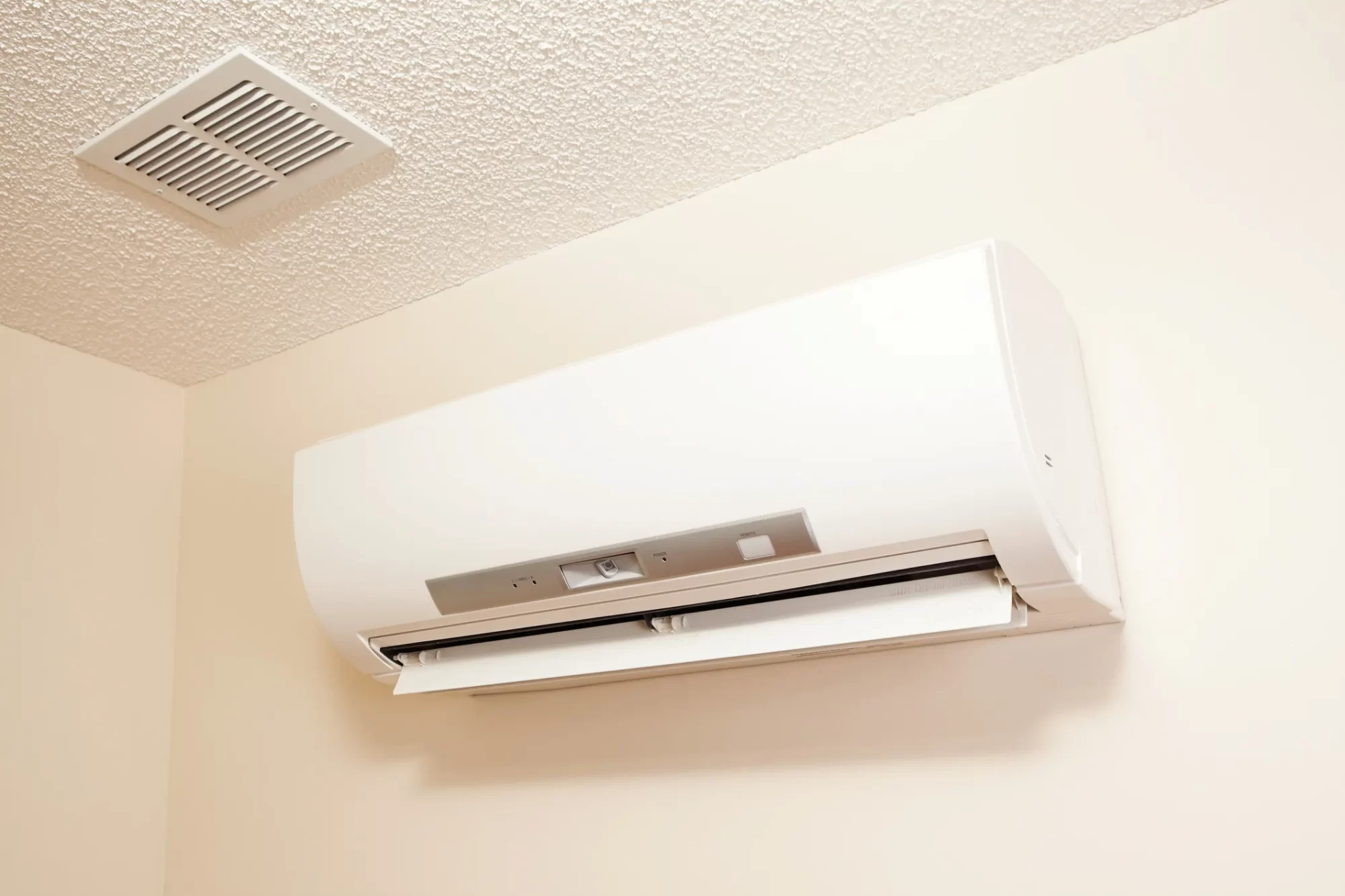
not sure what “ductless” and “mini-split” mean, you’re in good company. Ductless mini-splits are comparatively new to the scene in the United States, but have been commonly employed overseas for many years. These systems have two primary parts: an outdoor compressor and one or more indoor air handling units that can be mounted to the wall or recessed into the ceiling.
Unlike traditional forced-air heating and cooling, which depends on ductwork to move air across your home, ductless systems supply warm or cool air directly from the wall- or ceiling-mounted air handler. With a dedicated thermostat per indoor unit, you can gain precise temperature control between rooms.
Perks of Ductless Temperature Control
Ductless mini-splits provide multiple compelling benefits. Here’s what makes these systems a superb choice for a lot of the U.S. homes.
Easy to Install
If you’re dreading a complicated installation, put your worries aside. Ductless systems don't need complex ductwork or drainage systems. The internal air handlers are easy to install on a wall or ceiling. Then, drilling some small holes in the wall facilitates running cables and refrigerant lines between the indoor and outside units. This process is a lot more straightforward than ripping out the ceiling to install ductwork.
So, while traditional systems could take several days to install, a ductless system can be operational in within one day.
Extremely Energy-Efficient HVAC Option
Traditional AC units commonly have seasonal energy efficiency ratio (SEER) ratings of 14 to 17. While this is commendable, many ductless systems have SEER ratings as high as 30. This results in substantial savings every month on your power bill. More efficiency also means a more green home, reducing your carbon footprint while cutting your costs.
No Heat Loss
Ducted systems are infamous for losing upward of 25% of their heated air due to ductwork leaks, holes and malfunctioning connections. This inefficiency wastes power—and your hard-earned cash. Ductless systems eliminate this problem by sending air directly into each room. Since they don’t use ducts, you get 100% of the heating or cooling you're paying for.
Customized Climate Control
If you’ve ever argued with family members over the thermostat temperature, you’ll appreciate the zoned heating and cooling supplied by ductless systems. Every indoor unit can be modified individually, letting you set distinct temperatures throughout the house. So if you prefer to keep your bedroom cool and the baby’s nursery warm, a ductless mini-split allows the flexibility to personalize your comfort.
Operate Quietly
It's hard to find anyone who likes a disruptive HVAC system. Ductless mini-splits are engineered for near-silent operation. The fact is, the interior units are so quiet that you might forget they’re even operating. That means you can chat, watch TV or sleep without being disturbed by a loud blower.
Small and Discreet
Space is difficult to find in lots of homes, particularly older ones with minimal room for ductwork and HVAC equipment. Ductless systems are the remedy to this dilemma. Their small size and flexible placement options make them ideal. Mini-splits don’t need a roomy closet or attic space; a little area on your wall or ceiling will do.
Drawbacks of Ductless Heating and Cooling
It’s relevant to have a well-rounded perspective of any heating and cooling technology before installing it in your home. Here are a few reasons ductless systems aren’t the most suitable option for everybody:
Easy to See
Unlike traditional air vents that often are incorporated into the decor, ductless systems have bigger interior components that are hard to overlook. If aesthetics are a top focus for you, the visual impact might be a disadvantage.
More Expensive Price Tag
The initial investment for a ductless system can be considerably more than that of a traditional HVAC system. Nevertheless, you can hopefully recoup this cost over time through more energy-efficient operation.
Limited Heating Capability in the Coldest Climates
Even though they provide heating, ductless systems may not be ideal for colder climates. Their heating power is limited and might need a backup heat source to maintain comfort.
Limited Coverage
Ductless systems are excellent for precise heating and cooling in specific rooms or zones. Yet, they may not be the optimal choice for more expansive homes with many rooms spread over multiple stories.
Explore Ductless Heating Options in the U.S. with Service Experts
When picking the best heating and cooling alternative in the U.S., rely on Service Experts. Our ACE-certified technicians and installers offer fast, long-lasting solutions for all your HVAC concerns. We stand by our Service Experts Guarantee, so if you’re not fully satisfied with our work, the crew at Service Experts will fix it.
To find out about peerless comfort from a ductless mini-split or another form of heating system, call (866) 963-7996 today!