


If you’re hunting for heating and cooling services, you may find confusing, sometimes contradictory information about a variety of HVAC systems. One component that garners a lot of confusion is the air handler. Is this another way to describe an air conditioner? We’re here to clear things up.
What Is an Air Handler?
An air handler is the indoor portion of some models of HVAC systems. It hooks up to a network of air ducts that deliver conditioned air through the building. Air handlers vary in size, type and capacity, dependent on the application.
Some people use the jargon of “air handler” and “blower” interchangeably, but this is not right. An air handler is an entire unit containing a blower and a number of other elements, all of which function together to condition and circulate the air.
Does an Air Conditioner Use an Air Handler?
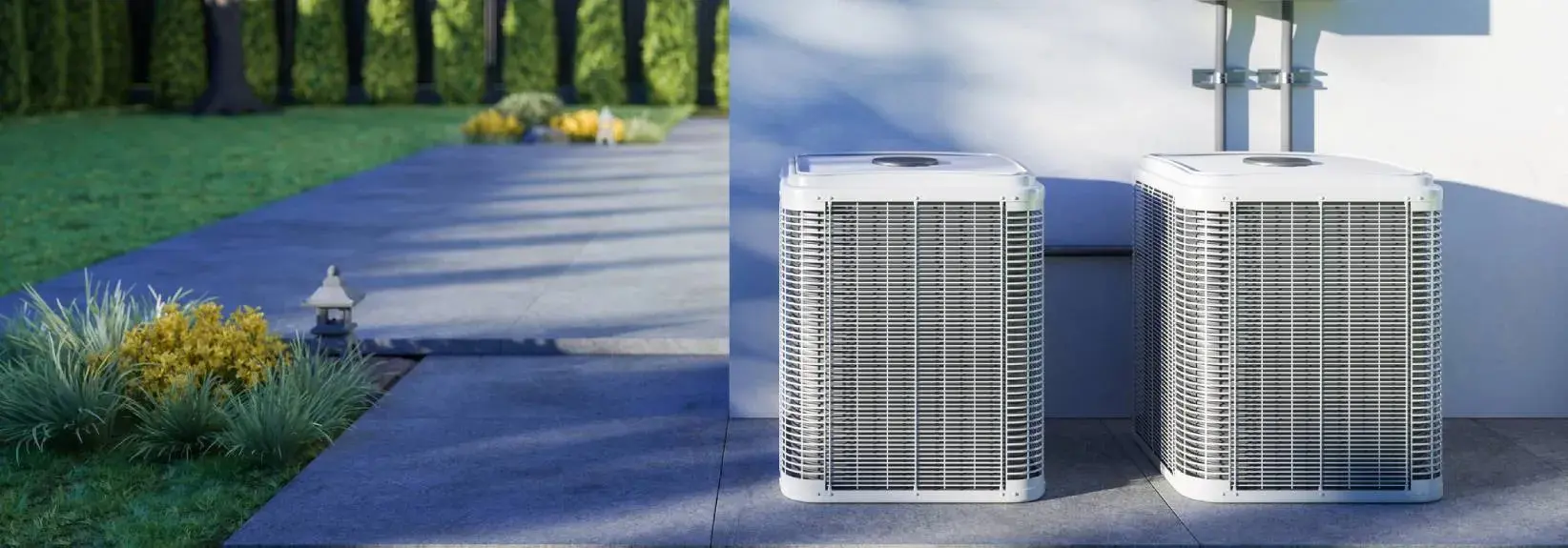
Usually, an air conditioner uses the furnace’s blower motor, so no air handler is required. However, in environments where home heating is not required, an air conditioner may be the only HVAC equipment present. In this situation, the indoor air handler runs in conjunction with the outside unit, called the condenser.
In this setup, the AC unit’s air handler blows indoor air across the evaporator coil, which absorbs heat and collects moisture, leaving the air handler to circulate cooled, dehumidified air back inside the building via ductwork. Refrigerant lines attach the air handler to the outdoor condenser, facilitating the heat transfer to the outside. This makes it possible for the air conditioning to uphold a constant, comfy indoor temperature and humidity level.
Does a Heat Pump Use an Air Handler?
This is where air handlers are most frequently found. In cold climates where heat pumps are less reliable, they are at times installed alongside furnaces, creating what’s called a dual-fuel system. However, advancements in cold-climate heat pumps make dual-fuel systems less common these days. Without a furnace to lend its blower motor, heat pumps need a dedicated air handler to disperse conditioned air.
Heat pumps work by pulling heat from the outside air and moving it inside via the indoor coil. The air handler blows air across the coil to collect heat before circulating it through the building. A heat pump can even be used for cooling, where it retrieves heat from the indoor air and transmits it outside, just like an air conditioner.
Does a Furnace Use an Air Handler?
No. Furnaces are made with a blower motor to circulate conditioned air. The blower is commonly located within the furnace. It blows air across the heat exchanger, a metal component that moves heat from a fuel source to the air blowing past it. The fuel source can be natural gas, propane or oil, which is ignited to generate heat. Once warmed up, the air circulates back through the ductwork system and into the building.
What Are the Parts of an Air Handler?
The major components of an air handler include:
- Blower: The blower is a motor-driven fan that disperses air through the ductwork. It forces air across the heating or cooling elements to manage the indoor temperature.
- Heating or cooling elements: Based on the type of HVAC system you have, the air handler may contain heating or cooling elements, including an evaporator coil or backup electric heat strip.
- Air filter: An HVAC air filter eliminates dust, dirt and other contaminants from the air as it flows into the air handler to be heated or cooled. Air filter types and efficiency ratings vary depending on system requirements. Remember to change your air filter routinely to protect against restricting airflow through the system.
- Dampers: Dampers are used to control airflow in structures with zoned heating and cooling. They can be manually or automatically controlled to direct air to specific rooms as desired to maintain a comfortable temperature.
- Humidifier or dehumidifier: Some air handlers have a humidifier or dehumidifier, which regulates the indoor relative humidity level. A humidifier adds moisture into the air in the winter, while a dehumidifier gets rid of moisture in the summer.
- Control system: The control system is a way to regulate the air handler. It may include a thermostat, humidistat or other sensors to gauge the temperature and humidity throughout the building.
Schedule Air Conditioner or Air Handler Repair
If you’re experiencing issues with your air conditioner, air handler or other HVAC components, Service Experts can help. Our squad of knowledgeable technicians can diagnose and repair any problems with your climate control system, making sure it runs safely and efficiently. For more information or to schedule air conditioning repair in the U.S, please reach out to a Service Experts office near you today.

