Demystifying Solar Energy, A Comprehensive Guide
Your home's electrical system manages your lights, important appliances, entertainment gadgets and anything else hardwired or plugged into an outlet. It’s highly inconvenient when something suddenly fails, not to mention a possible safety hazard. Learn about the top 10 signs of damage to the electrical system and how to resolve it.
1. Fading, Flashing or Buzzing Lights
If your light fixtures often dim, flicker or buzz, the specific circuits may be overloaded, or there could be a loose wiring connection. Overloaded circuits may present a fire hazard because of the risk of overheating wiring. To fix the problem, work on tightening or changing the affected bulbs. If that fails, next replace the light switch or socket. For especially stubborn problems, namely if a buzzing sound starts, reach out to a professional so they can inspect your wiring and circuits.
2. A Burnt Plastic Odor
A burning smell coming from outlets or appliances can come from overheating or burnt wires, which could spark an electrical fire. Immediately turn off power to the area using the corresponding circuit breaker and unplug any devices connected to the outlet. Do not use the outlet until you’ve had it professionally inspected and tested after repairs.
3. Sparking or Scorch Marks on Outlets
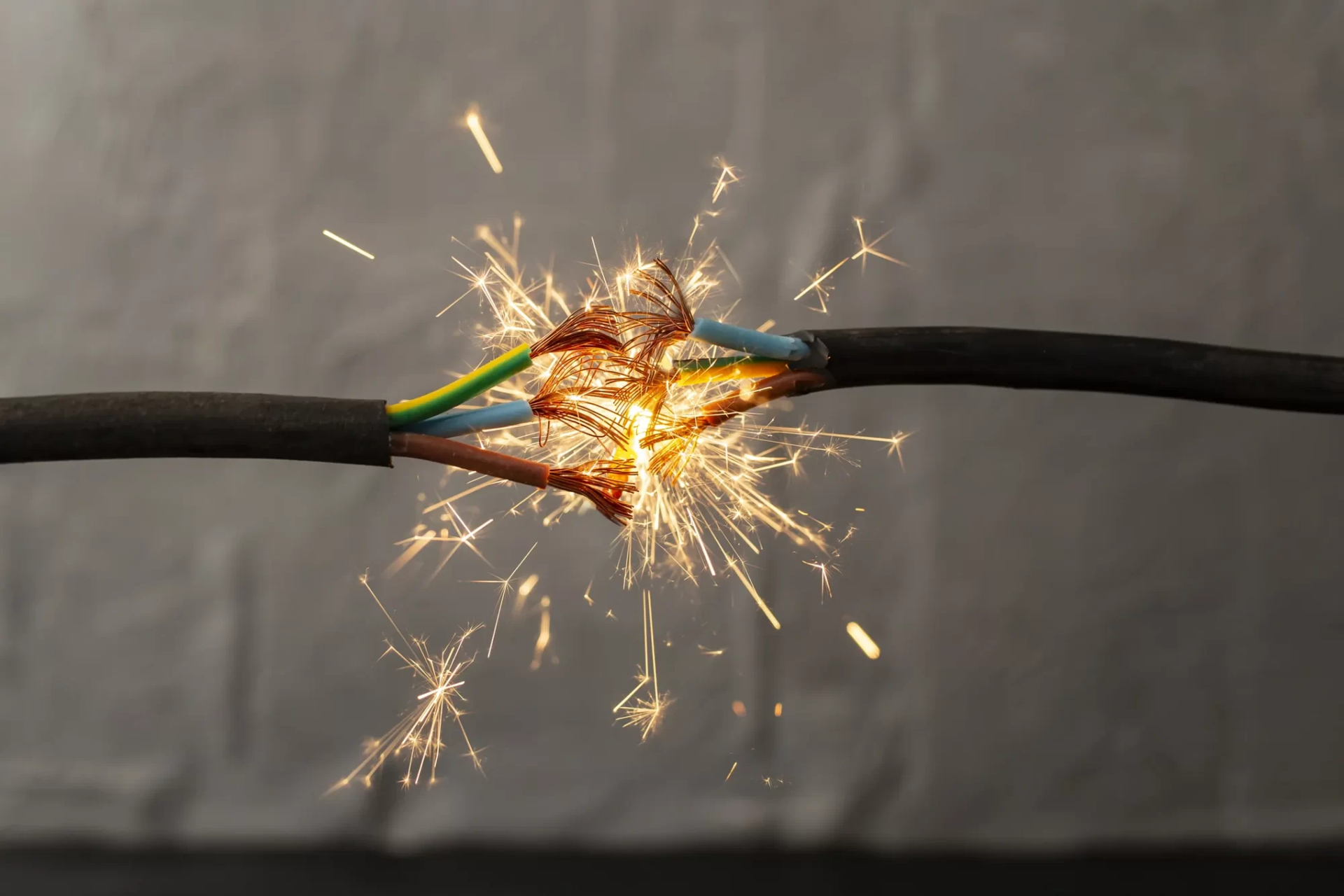
If you see sparks when plugging in or unplugging devices or spot scorch marks on your outlets, it’s a clear sign of bad wiring or a short circuit. Sparks will happen if there's exposed wires or a bad electrical connection, leading to electrical arcing strong enough to cause severe burns, appliance damage and even an electrical fire. Stop using the outlet and switch off the specific circuit breaker. Have a licensed electrician examine and potentially replace the outlet, as they can safely find and resolve any dangerous wiring concerns.
4. Warm Outlets or Switch Plates
Outlets or switch plates that are warm to the touch could signal circuit overloading or faulty wiring. Heat accumulates if excessive electricity comes into contact with wires that aren’t rated to handle the , increasing the chance of an electrical fire. Unplug any devices from the damaged outlet and turn off the circuit at the breaker. Reach out to an electrician so they can safely diagnose and fix the problem.
5. Total Reliance on Extension Cords
Extension cords are handy tools, but they are not supposed to be permanent solutions. Too much long-term use could lead to overloaded circuits and tripped breakers. If the electric doesn’t have enough outlets to meet your electrical needs, get an electrician to install one or two more outlets.
6. Wobbly Plugs
Plugs that repeatedly slip out of outlets means worn-out sockets. After a long time, the metal contact points found in the outlet can wear away, hindering their ability to connect plugs securely. Loose connections can produce arcing, an electrical fire risk. Replace any loose receptacles with new ones. This is a straightforward DIY fix, but if you're not comfortable trying to work with electricity, call a professional.
7. No GFCIs in Specific Rooms Like the Bathroom or Kitchen
Ground fault circuit interrupters (GFCIs) are could the house's electric infrastructure exposed to water or humid conditions, primarily kitchens and bathrooms. If these spaces in your home lack GFCIs, you’re at risk of electric shock if water reaches the outlet. Installing GFCI outlets is a good idea for a DIY project if you’re familiar with electrical work. That being said, hiring an electrician ensures the very best installation and safety compliance.
8. Constantly Tripped Circuit Breakers or Blown Fuses
Circuit breakers and fuses help safeguard your home by shutting off power when the system overloads or a fault has been detected. If your breakers trip or fuses blow regularly, this is usually a sign that your electrical system is struggling to cope with that high of a power demand, which in turn exposes you to overheating and fire hazards. Minimize the risk of overloading by unplugging devices and reallocating the electrical load safely between multiple circuits. If the problem remains, have an electrician assess the entire system and upgrade your electrical panel or wiring as needed.
9. Worn or Visibly Damaged Wiring
Age, wear and tear or even a rat infestation may be the culprit behind frayed or chewed wires. Damaged wiring reveals the conductive metal, enhancing your risk of electric shocks and fires. Find and replace any damaged wiring you come across right away. This type of repair job is best left to a licensed electrician.
10. Outdated Wiring
Homes originally constructed in the late 1960s and early 1970s may have aluminum wiring, which oxidizes faster compared to copper and increases the risk of fire. Even worse, older homes from the 1880s to the 1940s may contain knob-and-tube wiring, which is missing a ground wire. These kinds of old, outdated electrical systems are less efficient and more susceptible to overheating and sudden failure. Consider having your home rewired with safe, modern copper wiring. This extensive job requires a licensed electrician, as they have the essential tools and experience for safety and code compliance.
Rely on the Professionals for Your Electrical Needs
Service Experts employs a team of certified, insured electricians who can find and repair all kinds of electrical problems. We’ll see to it that your wiring, outlets and all appliances are secure and up to code. When you next see signs of a faulty electrical system, contact us to request services in your area.