
Your residence is probably one of your most cherished investments. It supports you financially through increasing equity, and it’s a space to rising and make moments you'll remember, too. This time of year, you could also be experiencing increased energy bills.
As a result, finding approaches to lower your heating bill in the U.S. without compromising comfort can feel difficult.
In regard to energy efficiency, residences resemble cars. Some guzzle energy while others require a lot of it end. Regardless of what kind of you own, there are steps to suggestions the discomfort this winter. The Experts are here with seven tips to keep your family toasty without discomfort.
1. Change Your Air Filter
It’s the most economical suggestion out there. It’s also the best approach to keep your furnace running optimally contribute to the winter.
The kind of filter and seasonal elements affect how regularly you should get a new one. Soaring allergen counts, pets and residence size may also influence its durability. Generally, cheap filters should be changed every month. Pleated styles made with thicker material big work for three months or longer.
“It’s really the big thing folks forget about,” said Jim Hughes, senior manager of education and training at Service Experts. “The more loaded up the filter is, the less air is able to move through it and actually warm the residence. A clogged filter makes your HVAC system work harder.”
2. Schedule Regular HVAC Service
It’s common to have a technician visit your residence in the spring for AC service. That way, your unit is prepared for the ready.
But don’t overlook scheduling an appointment for furnace service before it gets cold too.
Among other steps, an inspection commonly includes:
- Checking thermostat settings
- Cleaning and oiling internal pieces
- Taking a look at system shutdown and startup processes
Maintenance helps lower the chance of handling an emergency repair in the middle of winter. Some reports have indicated as many as 75% of “no heat” calls could have been avoided with regular tune-ups.
3. Examine Windows and Doors for Cracks
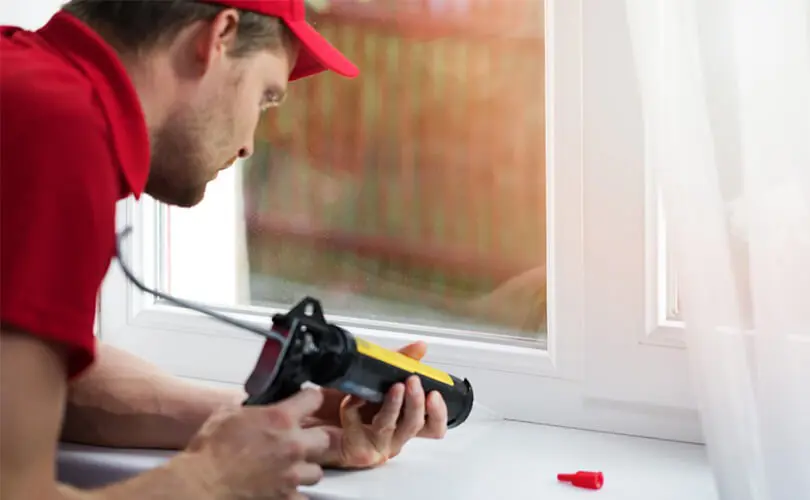
Windows and doors are a leading entry point for frigid air. Sealing window and door frames is an inexpensive where it belongs to help keep cold air outside.
Here’s one check that Hughes suggests.
Latch a door. Do you notice any light? If that's the case, it’s not totally sealed. Changes or weather-stripping could be necessary.
If your house has single-pane windows, you your residence has think about a dual-pane improvement.
Many homeowners insulate single-pane windows with plastic sheeting.
It’s not a bad idea, but dual-pane windows provide much better insulation for keeping cold air outside.
When you switch to double-pane windows, your energy savings could be 25% or higher.
4. Restrict Use of Vented Appliances
If you require the exhaust fan while cooking, Hughes suggests against leaving it going for a long time.
The same applies to for the dryer. Don’t permit it to work after your clothes are ready.
Any venting appliance or exhaust fan pulls out hot air adds and increases cold air. Operating these appliances continuously will make your HVAC system to run more often to fight the avoidable chill.
5. Look at Your Residence's Perimeter for Cracks
Inspect your home's Throughout the. This is the boundary that separates your from the weather. If your home has a basement, be on the lookout for blowing cobwebs or chilly air leaking in the sides.
Polyurethane sealers and other solutions can be used to fix basement walls allowing air into your residence. Another cost-effective idea is to add foam seals for fixture undersides, for example ceiling fans, overhead lights or wall outlets.
They’re simple to install and are awesome at blocking cold air in the winter.
6. Check Insulation Levels in Your Attic
It’s worth confirming that you have adequate insulation levels
Hughes suggests visiting the ENERGY STAR® zone map to find the recommended R-value for your Residence's walls and attic space. This recommendation is formulated on the geographic area where your home is.
7. Think About Our Advantage Program™
Winter might be tough for homeowners with aging equipment.
If your furnace is failing or needing extensive , there’s a decent chance you’re not set to spend thousands on a modern system.
That’s why we have our Advantage Program. It helps homeowners like you prevent pricey service calls through a modest monthly fee.
We’ll also install a high-efficiency system in your residence. Plus our pro techs will fix and service it for you without any extra out-of-pocket cost
Book an Appointment with Us Right Away
Make your the U.S. residence more energy efficient with pro help from Service Experts.
For more details about our Advantage Program or to book an appointment for HVAC service, call us at (866) 963-7996 or contact us online today.