Based on your location, mild weather or intense cold may be ordinary in the wintertime. In either case, your water heater has to work harder when the temperature drops outside the house. This begs the question — can water heaters freeze?
Although very rare, it’s certainly not impossible for a water heater to freeze. The main concern is that any standing water within the tank or tankless unit will freeze and expand, permanently damaging the appliance at the same time. If this happens, you may be left with no alternative but to replace the water heater.
Rest assured that water heaters are built to stay operational no matter how cold it gets outside. Nonetheless, it is always prudent to take safety measures if sub-zero temperatures are in the forecast, especially if your water heater is set up outside.
Drain the Water Heater
Before going away on an extended getaway this winter, consider emptying the water heater to avoid a plumbing disaster while you’re away. You can also drain the tank if there is a power blackout to avoid possible freezing. For added protection, you may want to install a freeze protection solenoid valve, which opens conveniently and drains the water heater during a power outage.
Here’s how to accomplish this task yourself:
- Shut off the cold-water supply valve, gas supply valve, and temperature control knob.
- Flip the circuit breaker, delivering electricity to the water heater.
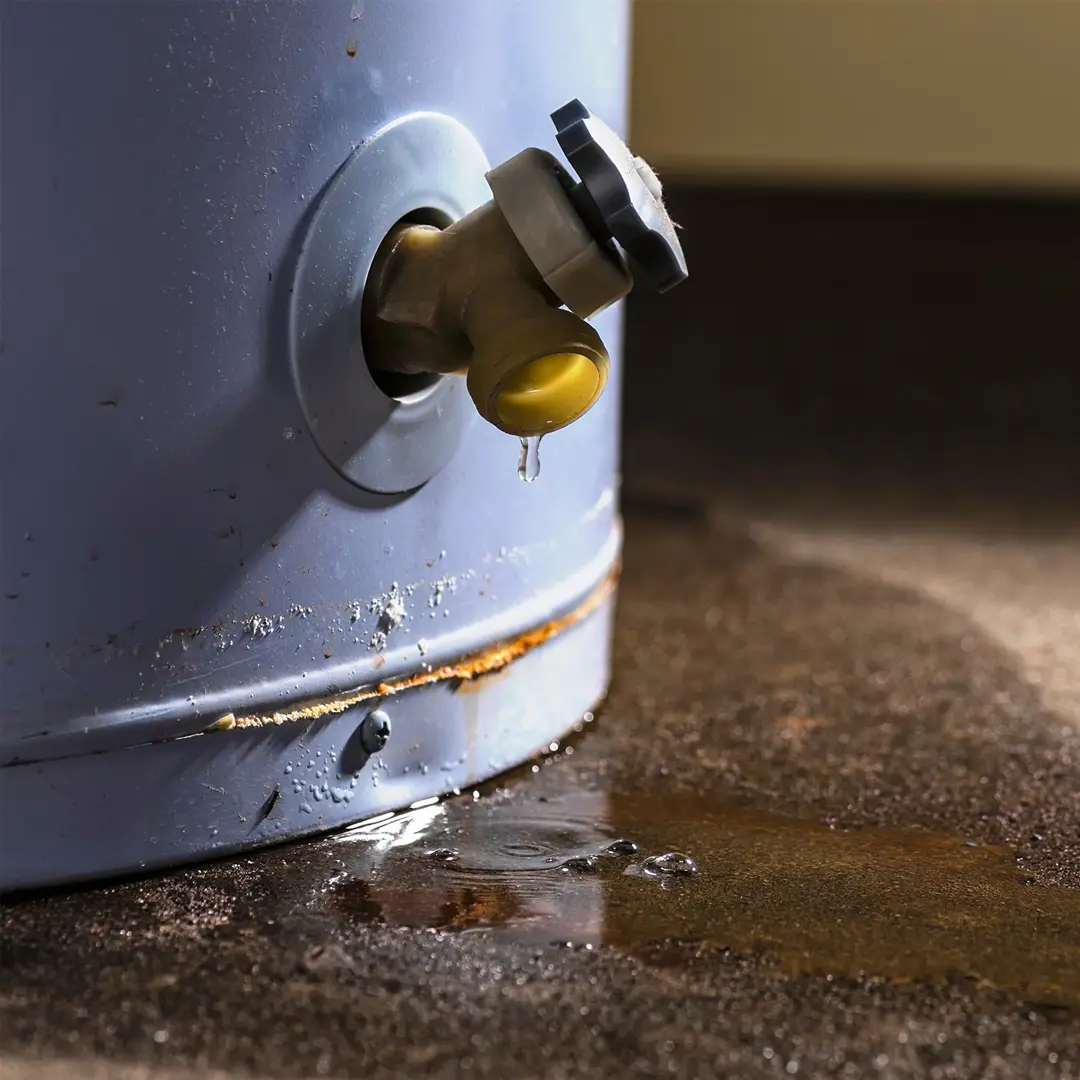
- Fasten a hose to the drain valve or place a bucket beneath it to catch the water.
- Open the valve to create the flow of water.
- Keep draining until the tank is empty, then close the valve.
Leave the Water Running
Consider keeping a trickle of hot water flowing from a faucet or two until the arctic cold weather subsides. The resulting slight increase in your water bill is well worth averting a frozen water heater. This approach also helps prevent frozen and burst pipes.
Install Insulation
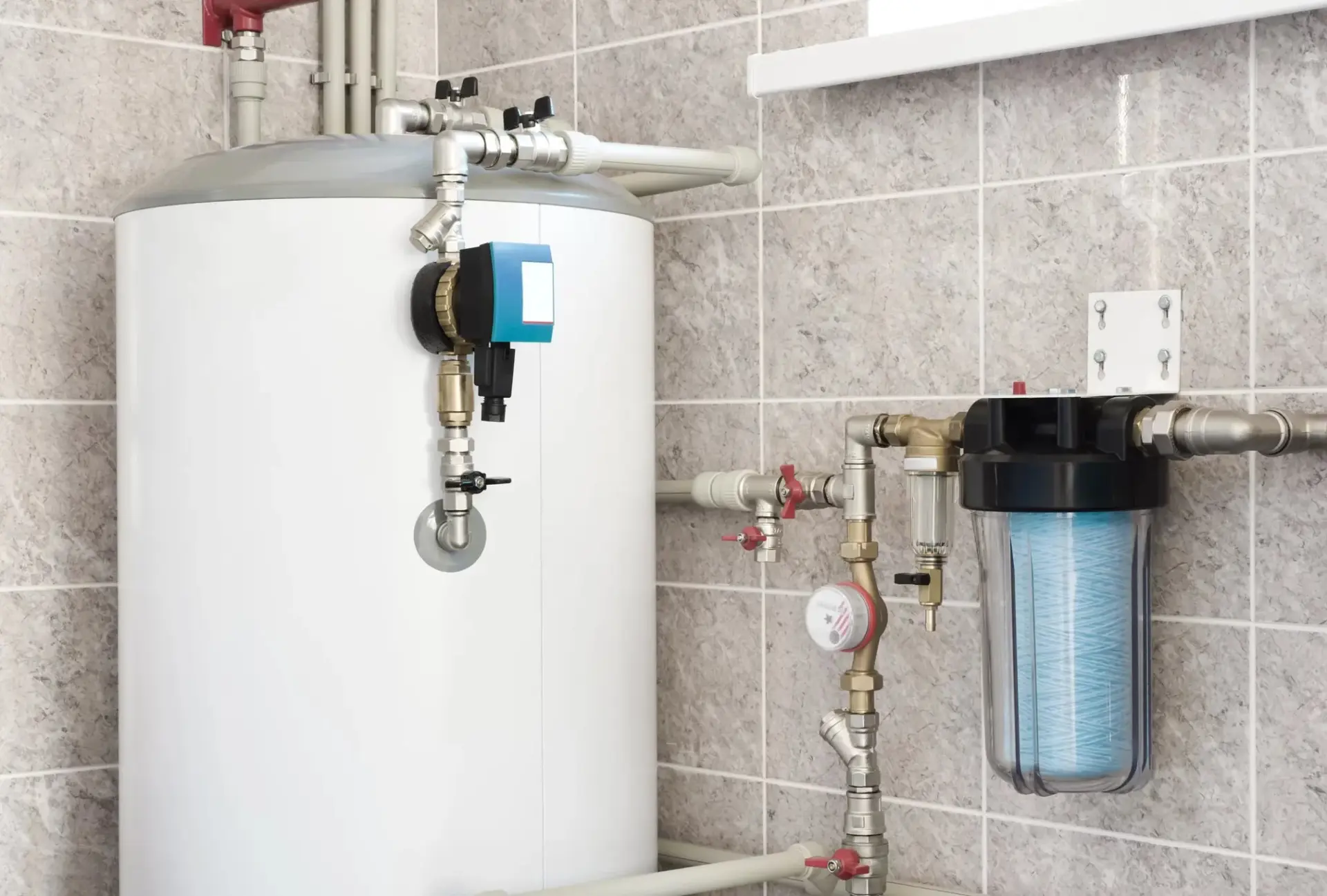
Plumbing insulation is very affordable and comes in a variety of forms. You can insulate your water heater tank with a special blanket to help minimize standby heat loss and give protection against cold weather.
Not surprisingly, pipes are more inclined to freeze than water heaters. Along with running a trickle of hot water, you can shield exposed pipes located outside or along exterior walls by wrapping them in foam insulation. You can also install electric heat tape to ensure the pipes don't drop in temperature below freezing. Only a few types of heat tape are compatible with insulation, so read the instructions carefully if you plan to use them together.
Put in a Hot Water Recirculation System
The primary intent of this system is to move hot water to the tap rapidly, shortening the wait time and reducing the quantity of water that is wasted down the drain. A hot water recirculation system is simple, water-wise and energy-efficient. It also keeps your pipes warm in the winter and makes your tankless water heater less susceptible to freezing. These paired benefits could justify the installation cost, particularly in cold climates.
Pick a Suitable Installation Spot
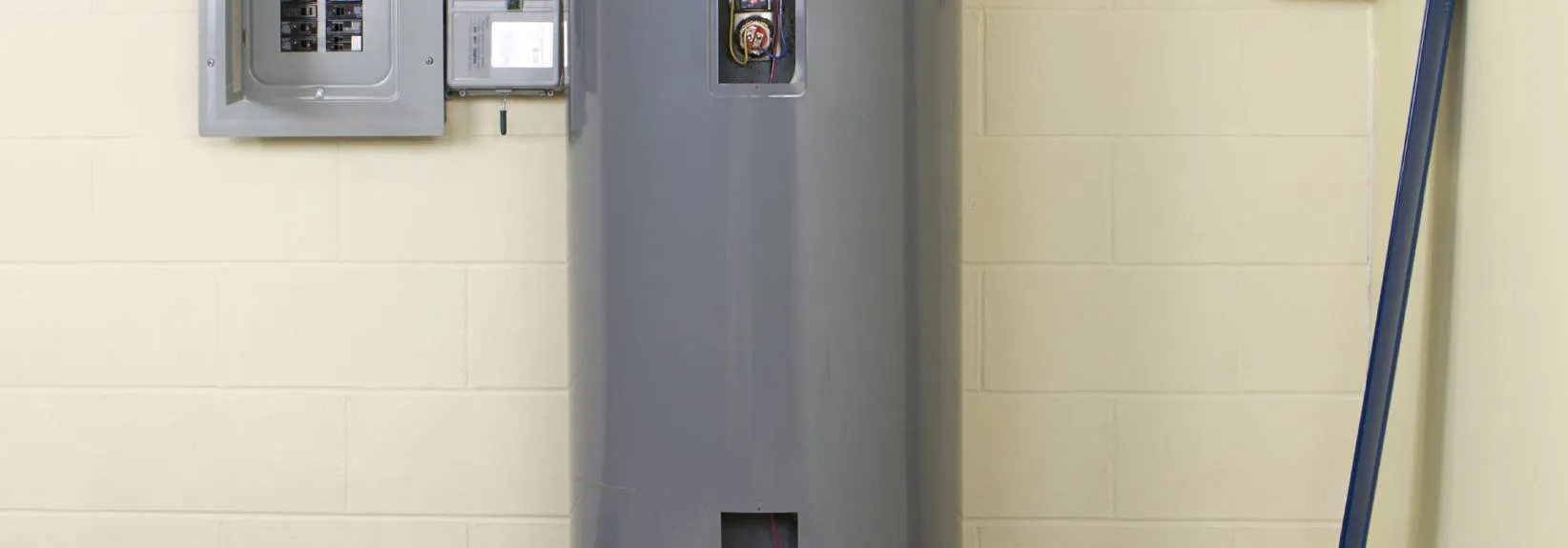
Almost all North American properties have indoor water heaters. However, in mild southern climates, water heaters are sometimes installed in the garage or even outside. While this approach is fine for those climates, the occasional deep freeze can have catastrophic effects on outdoor water heaters. For this reason, you should demand that your next water heater be setup inside, or at minimum in a covered area sheltered from the wind.
Choose a Water Heater with Built-In Freeze Protection
Most tankless water heaters have built-in freeze protection that works in temperatures down to -22 degrees F. Don't buy a tankless water heater without this feature, especially if the only alternative is to install it outside.
Different products use different freeze-prevention methods. Many have an electric element that yields just enough heat to prevent internal freezing. Others fire up the gas burners to raise the temperature of a small amount of water and, in short, keep the tankless cabinet frost-free.
No matter the method, water heater freeze protection is only successful when utilized. First, check the unit to make sure this feature is engaged. Then, for protection during a power failure, look into purchasing a small portable generator, a whole-home standby generator, or a battery backup power supply for your tankless water heater.
Schedule Water Heater Services
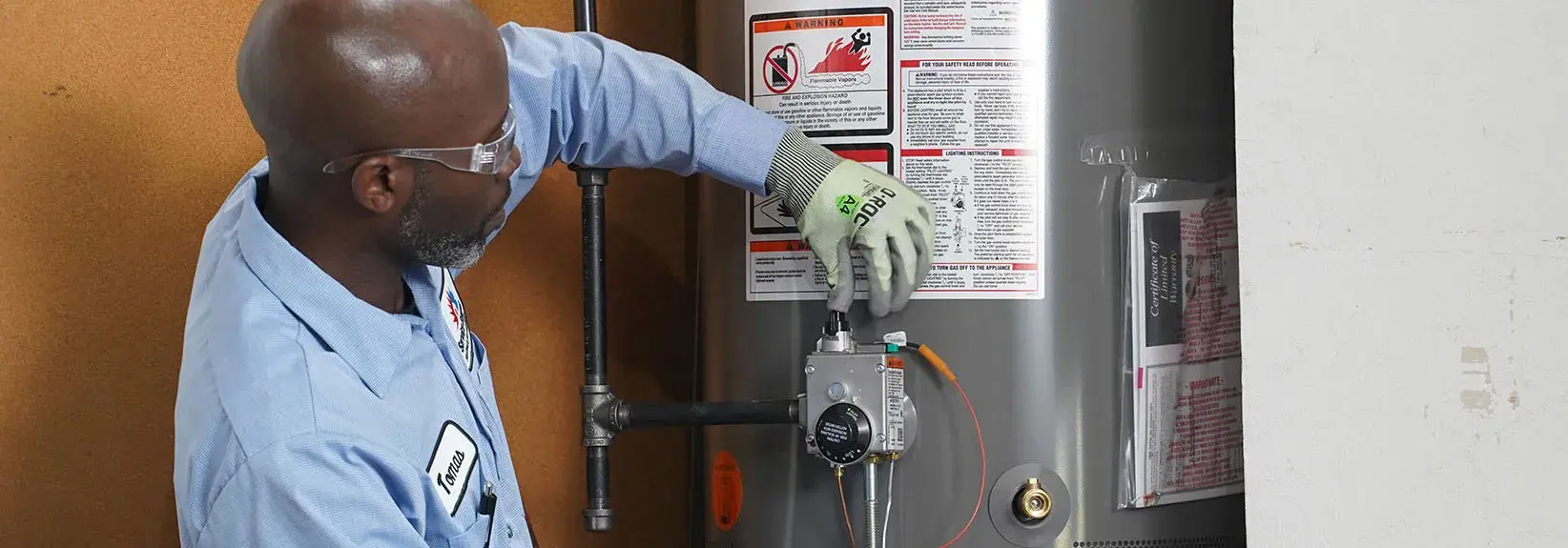
For more information about your pipes or water heater possibly freezing this winter, turn to Service Experts. Our well-trained plumbers can accomplish any water heater repair or replacement you need. We can also recommend steps to help your pipes and plumbing appliances last longer in any weather. For more information or to arrange a visit, please contact a Service Experts office near you today.