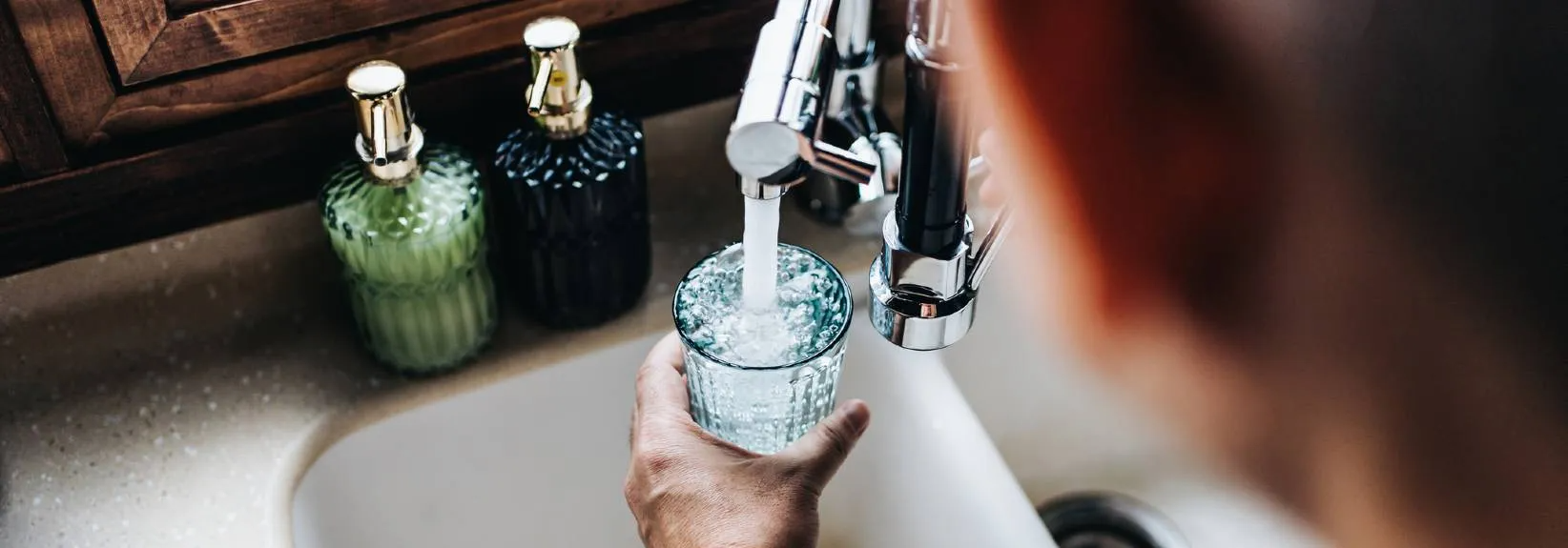
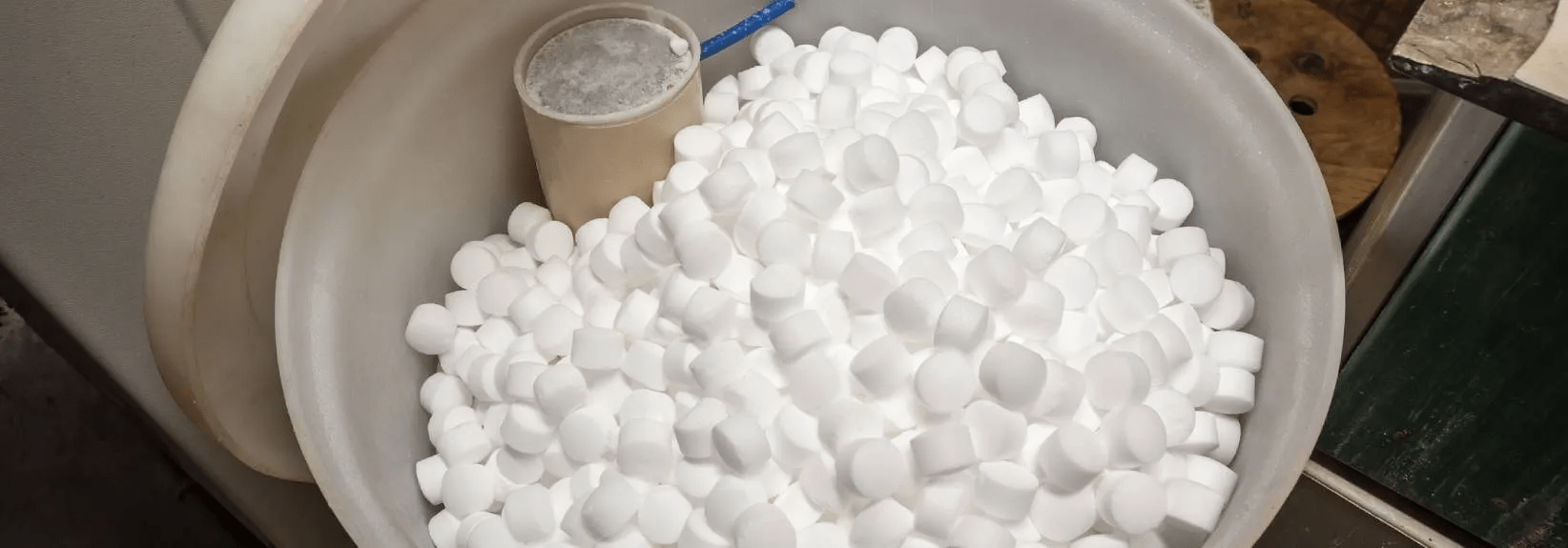
We all need clean water for day-to-day tasks like cooking, cleaning and personal hygiene. Many the U.S. homeowners wonder which is right for them—a water filter or a water softener? Explore the primary differences between inline water filters and whole-house water softeners, the advantages they provide and how to figure out which one is best for your needs.
What Is an Inline Water Filter?
An inline water filter is a point-of-entry filtration system that cleans water as it goes into your home. It’s installed right on your main water line, removing sediment, chlorine, bacteria and other contaminants from the municipal water supply before entering your plumbing fixtures and appliances.
Benefits of Water Filters
If your water comes from a municipal company, you may wonder why you might need an inline water filter. After all, the water is already cleaned at a water treatment plant. However, many local water supplies barely meet EPA standards, and water may be contaminated with impurities between the treatment plant and your residence. Here’s how installing a water filter can benefit you:
- Healthier water: Water filters remove harmful microorganisms, carcinogenic materials and other potentially harmful particles for safer, better-tasting drinking water.
- Reduced sediment: Water filters decrease sediment collection in your pipes, appliances and fixtures, defending them from harm.
- No plastic waste: Inline water filters diminish the need for bottled water, contributing to a greener environment.
- Cost-effectiveness: Access to clean, safe tap water saves you from spending extra cash on bottled water and reduces the strain on your plumbing system.
How to Tell if You Need a Whole-House Water Filter
About one-third of American households use home treatment systems for safe and healthy drinking water. Here are some signs that you should use a whole-house water filter:
- Discoloration, strange taste or unpleasant smell: If your tap water is anything but crystal clear, clean-tasting and odor-free, it may be contaminated. Think about installing a filter for your safety.
- Constant plumbing problems: A whole-house water filter helps reduce blocked pipes, low water pressure and other issues.
- Skin discomfort: If you have redness, rashes or other skin issues linked to poor water quality, a whole-house water filter may be useful.
- Past history: Does your local water supply have a track record of contamination? Installing a whole-house water filter offers peace of mind against potential problems.
What Is a Water Softener?
A water softener eliminates calcium and magnesium from water. A process called ion exchange works somewhat like a chemical magnet, replacing these “hard” minerals with sodium ions to “soften” the water.
Benefits of Water Softeners
If you have hard water, this is what you’ll observe once you install a water softener:
- Longer plumbing life span: Soft water decreases scale buildup on faucets, showerheads, dishwashers and washing machines, lengthening their life span and bettering their appearance.
- Clog-free plumbing: Soft water doesn’t create a hard mineral coating to adhere to your plumbing system, which helps keep your pipes and faucets flowing efficiently.
- Better soap lathering: Soft water is a good way to make sure cleaning products lather more effectively, generating cleaner dishes, brighter laundry, and softer skin and hair, even when using less soap and detergent.
- Energy savings: A water softener helps your plumbing appliances operate effectively for lower electricity bills.
How to Tell if You Need a Water Softener
Most water resources in North America are categorized as moderately hard, hard or very hard. Learn more by reading your city's water quality report. In the meantime, here are some signs that you could use a water softener:
- Scale buildup: A white, chalky film on your fixtures and appliances is a sign of hard water, as are the white spots on your dishes, glass shower door and coffee maker. A water softener can help eliminate this problem.
- Low water pressure: Showerheads and faucet aerators frequently become badly obstructed by mineral deposits within 18 months of use. Watch for this because it is another indication of hard water.
- Dry skin and hair: Hard water stops soap from rinsing correctly, causing irritated skin and brittle hair.
- Continual appliance repairs: If your dishwasher or water heater fails frequently due to scale buildup, a water softener may be a worthwhile acquisition.
Do You Need Both a Water Filter and a Water Softener?
Inline water filters and water softeners each provide valuable benefits, but they perform different functions. An inline water filter eliminates contaminants and elevates overall water quality, while a water softener specifically targets hard minerals. In some circumstances, having a water filter and a water softener is necessary. Consider your specific needs and water quality to determine the best solution for your household.
Schedule Water Filter and Water Softener Installation in the U.S.
Service Experts is a trustworthy provider of water treatment products and solutions in the U.S., carrying high-quality water filters and water softeners from Excalibur. Our experienced professionals can help you determine if one or both solutions are necessary to help you achieve the best water quality in your the U.S. home.