Solar energy has been steadily increasing in popularity for several years now. But how does this energy source measure up for homes and businesses, and what perks does it offer? Shine a light on all you need to about solar energy, from how solar panels work to the many applications available and financial incentives that make installation more accessible.
What Is a Solar Panel, and How Do They Work?
Solar panels absorb and redirect photons, turning sunlight into electricity. They contain photovoltaic cells made with silicon, a mineral ideal for use as a semiconductor. These cells absorb the photons within the sunlight and generate electricity by way of the photovoltaic effect. Here's how it works:
- The PV cells allow in photons, the basic particles of light emitted by the sun.
- Latent kinetic energy from the photons stimulates electrons within the silicon material, causing the electrons to break loose and move around.
- The excited electrons start moving in one direction, creating a flow of direct current (DC) electricity.
- An inverter changes the DC electricity into alternating current (AC) electricity to safely power appliances and electronics.
The Versatility of Solar
Solar energy is useful in a variety of ways, including:
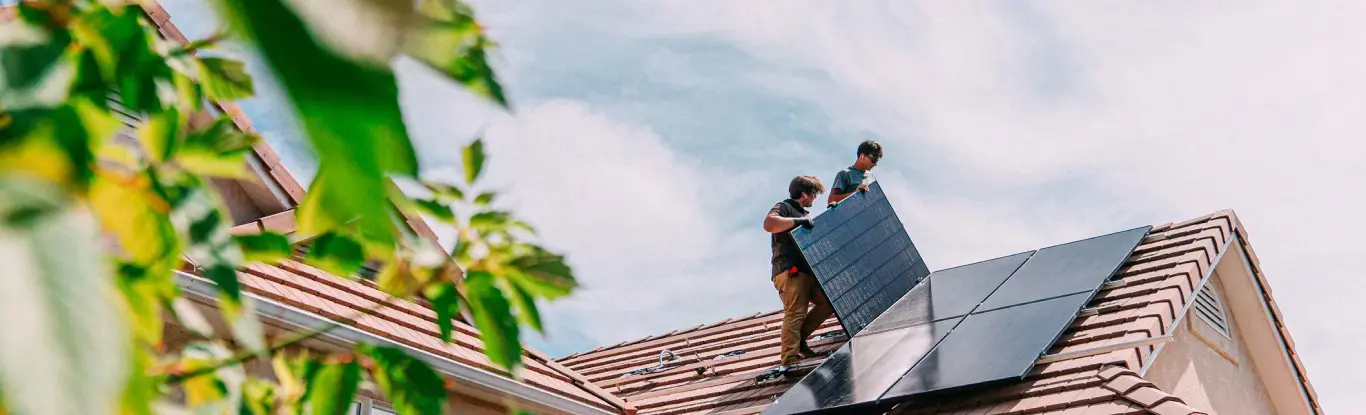
- Homes: Solar panels are a great investment for homeowners, with panels installed on residential rooftops, where they capture sunlight and generate electricity for the family below. As a specific example, solar water heaters can supply hot water for day to day use.
- Businesses and other commercial properties: Large solar arrays can be installed on flat rooftops and high-rise facades to cut a commercial building’s heating, cooling and other electricity costs. Sufficient energy savings frees up resources that business owners can reallocate in the property.
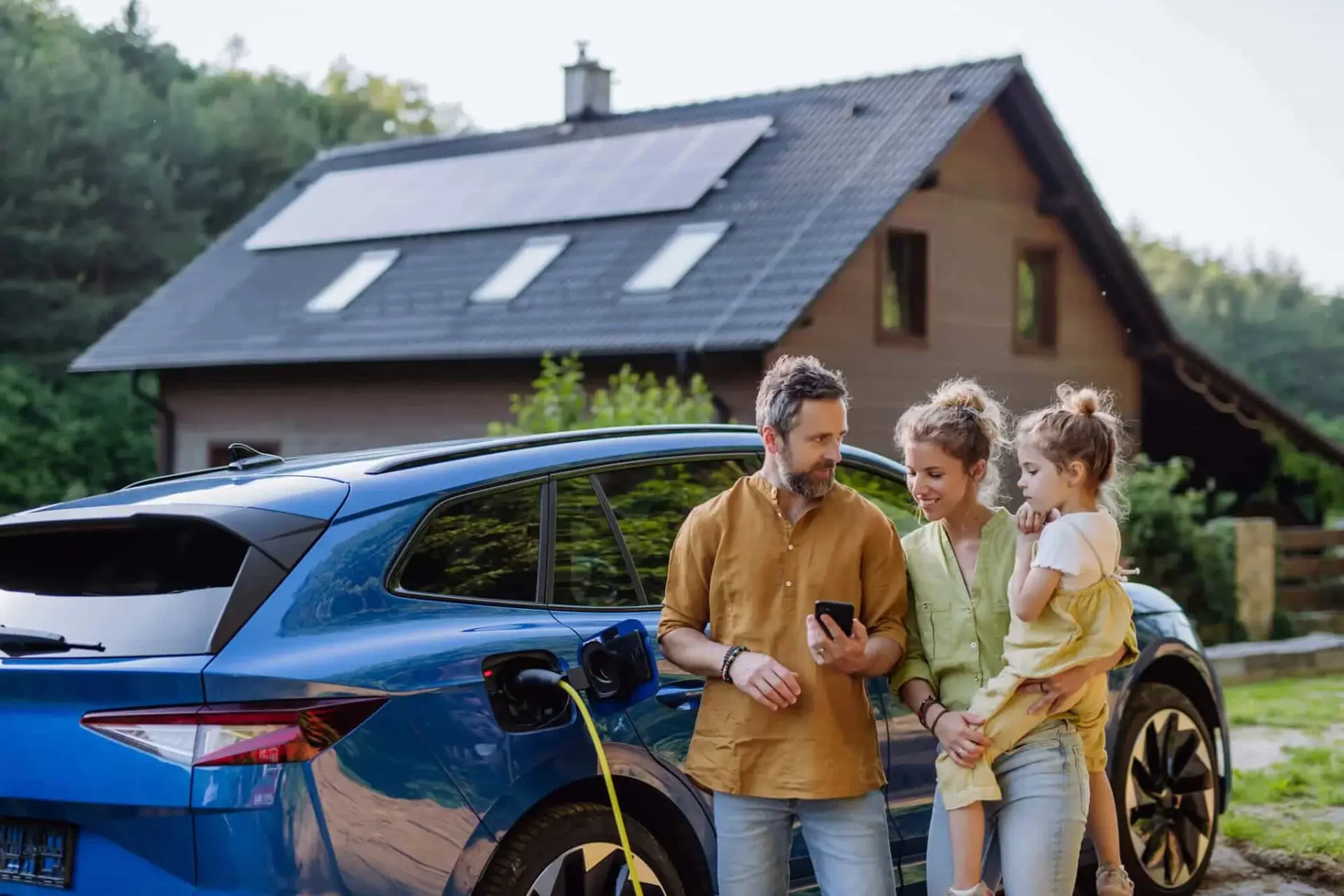
- The transport sector: Solar-powered charging stations for electric vehicles are becoming more widespread. Solar energy is considered the most eco-friendly way to make these cars a truly clean form of transportation.
- Solar farms: The largest solar farms generate enormous amounts of electricity, contributing large quantities of energy to the electrical grid to fulfill a community’s energy needs. Smaller-scale community solar projects are also feasible, allowing multiple households to share the benefits of a single solar installation.
How Solar Panels Integrate with the Grid
Solar panels often produce more electricity than needed. But because of a process called net metering, any additional energy can be sent back to the electrical grid. Homeowners sending extra power can receive credits from their current utility company for any surplus power, which applies toward future electric bills. If you remain grid-tied, your home can still access power from there if your solar panels don't generate enough electricity, such as overnight or on overcast days, ensuring a consistent energy supply.
Backup Battery Systems
Installing solar batteries is another way to still use solar energy whenever the sunlight is poor. Rather than transferring extra electricity to the grid, batteries store it for your own use later on. If you’ve always dreamed of energy independence, solar panels are the answer.
The Advantages of Solar Panels
Solar energy is a desirable option for residential and commercial properties alike. Here’s why:
- Environmental benefits: Solar energy is virtually inexhaustible and environmentally friendly. Adding solar panels sharply decreases your reliance on fossil fuels and even lowers your greenhouse gas emissions for fresher air and a better planet.
- Saving more on energy use: Many homeowners and businesses are eligible for utility rebates and tax credits that help offset solar installation costs. PV panels also greatly reduce or even eliminate your electricity bills, especially if you use net metering.
- A long-lasting system with minimal maintenance needs: Solar panels have a life span of about 25 to 30 years with expected use. These systems are fairly low maintenance, so you'll have reliable energy production with hardly any upkeep.
- Higher property value: Homes featuring solar energy systems generally sell faster and at better prices than those that don't. Efficiency-minded buyers are attracted to the long-term savings and environmental sustainability of solar power. Additionally, you may qualify for a property tax exemption on the increased value solar panels provide for your home.
Financing a Solar Energy System
If you don't have enough cash to cover the solar panels up front, you can take advantage of one of these financing options:
- Solar loans permit homeowners to pay for their solar panel purchase and installation. Affordable installments are offset by the energy savings the finished solar system will generate.
- Solar leases offer another alternative to purchasing. Homeowners pay a fixed monthly fee to lease solar panels. The company installing the panels maintains ownership and responsibility for the system.
- Power Purchase Agreements (PPAs) consist of an agreement to acquire the electricity produced by solar panels for a set cost beneath market utility rates.
Go Solar with Service Experts
If you've decided solar energy could be the ideal solution for your home, trust Service Experts to help with the upgrade. Our ACE-certified professionals offer Expert advice, faster installation times and affordable financing options all guaranteed by our Service Experts Guarantee. If you want to learn more about the benefits of solar energy or to request an estimate, contact us at (866) 963-7996 today!