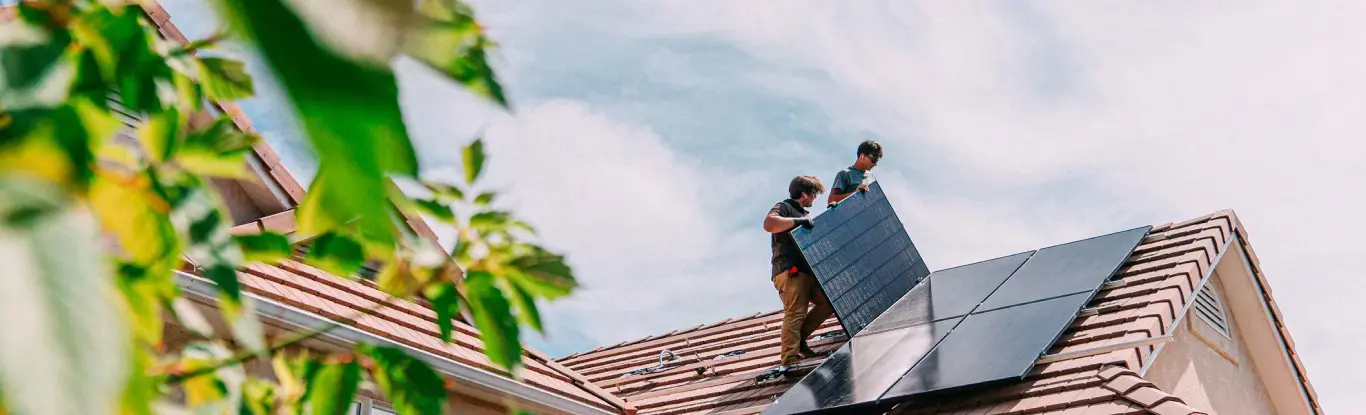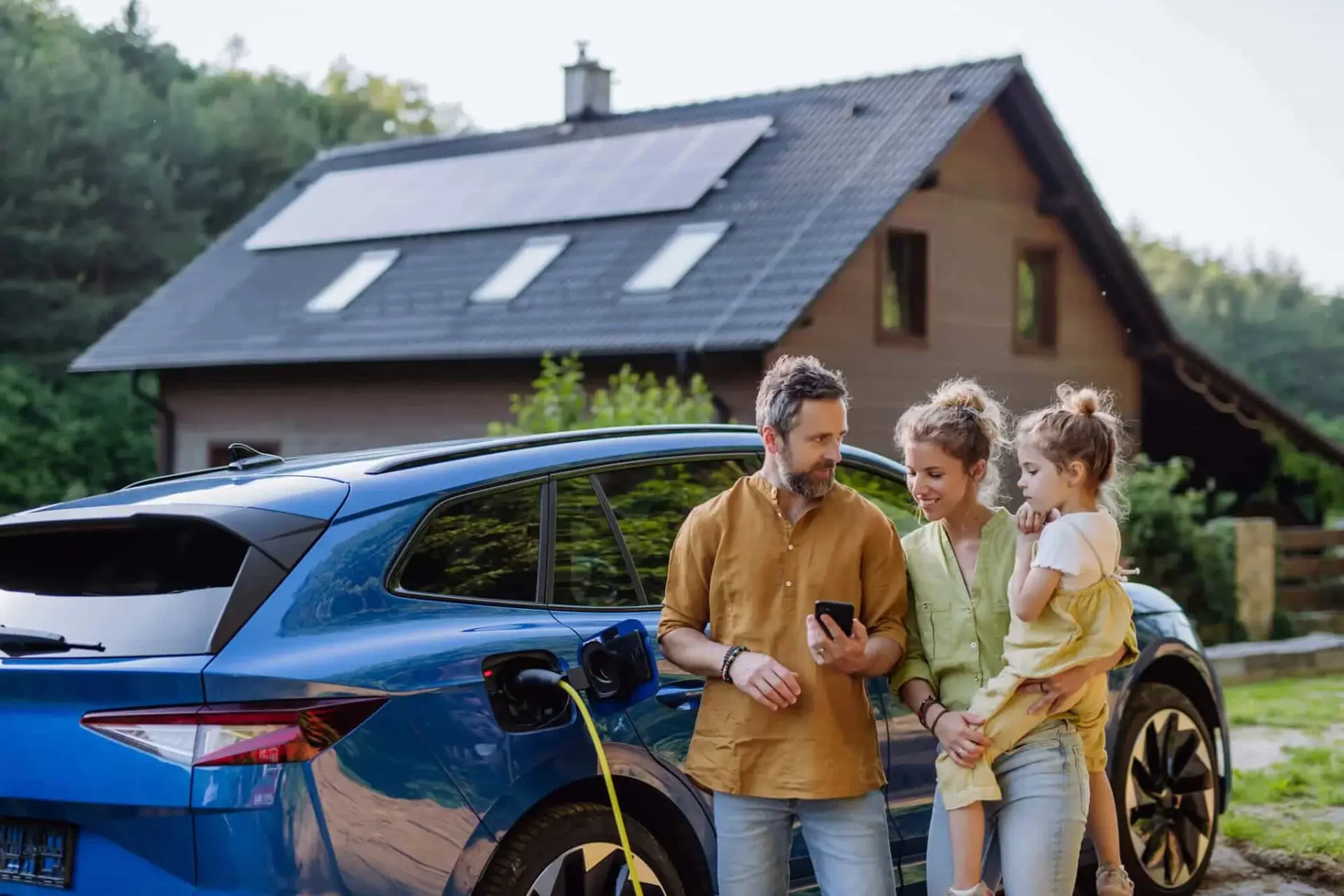



Solar energy is gaining a lot of traction lately, and with good reason. With the promise of clean, sustainable energy, homeowners are looking to minimize their carbon footprint while saving on energy bills. But can you run an AC unit with solar panels?
The short answer is yes, you can harness the sun's energy to cool your home! Depending on the size of your solar array and home electricity demands, you may be able to power your AC entirely with solar energy. Even if you merely supplement your power supply with solar panels, this investment is sure to supply year-round energy savings.
How to Run an AC Unit with Solar Panels: The Basic Setup
Using solar panels to run your AC involves strategically setting up an inverter, a battery and the solar panels themselves. Given that solar panels create direct current (DC) power, and your air conditioner operates on alternating current (AC) power, you’ll need an inverter to assist in this conversion.
Picking the Ideal System
There are many possibilities when it comes to powering your air conditioner with solar energy, and finding the right system for your needs is imperative. Here are some choices:
Using an On-Grid System
When you stay connected to the grid, your solar panels and an inverter are put in along with your current air conditioner. Everything is connected to the local power supply, so a battery is not necessary, helping keep your initial costs down.
But, if you want to use solar-generated power in the evening, you can install an optional battery. Just be aware that grid-tied solar panels don’t work during a power outage, even using a battery. Allowing them to draw power when the grid is down would be unsafe for your home’s wiring and utility workers alike.
An Off-Grid System
If you’re searching for total independence, an off-grid system might be right for you. You’ll certainly want to install solar batteries to utilize power in the evening and on cloudy days. Since they’re less reliable than on-grid configurations, off-grid installations are typically reserved for recreational vehicles and homes in extremely rural places.
Solar-Powered AC
Ideal for off-grid use, DC systems are wired right to your solar panels, with optional battery operation available. Conversely, alternating current air conditioning units make use of an inverter, allowing them to run on grid power if solar generation is low. And then, hybrid units switch back and forth between the solar array and grid, based on the energy production and your home’s electrical needs.
What You Need to Know Before Running an AC with Solar Power
Switching to solar-powered air conditioning isn’t just climate-friendly; it’s a smart way to save cash. However, it’s vital to consider many factors before wrapping up your decision.
Primary Investment
Solar panels and solar-powered AC units have an initial purchase. Be sure to weigh this against the long-term savings, keeping in mind that an entire solar panel array usually provides quicker ROI than a solar-powered AC unit. Panels are also more versatile, letting you power other appliances with clean energy.
Solar panels may also qualify for the solar energy system federal tax credit, helping make your initial investment more affordable. The credit is set to scale down starting in 2033, but until then, you can receive a 30% tax credit on new solar panels installed in residential settings.
Geographical Location
Sweltering southern climates call for more air conditioning, but solar panels in these regions have the tendency to generate more power thanks to the long, sunny days. If you are living in a cloudier region, your solar panels will harvest less energy, but your cooling demands may also be lower.
AC Unit Size
Your AC’s tonnage is directly related to its power consumption, which affects how much solar power you need to run it. Larger homes typically need more air conditioning and use more power in other ways, perhaps requiring you to install more panels.
How Many Solar Panels Does It Take to Run an Air Conditioning System?
Identifying the number of solar panels you should buy depends on the factors discussed above, plus area placement, solar panel type and overall efficiency. The standard household Air Conditioner is around 3,500 watts, and a typical solar panel generates 250 watts. In this specific example, you would need 14 panels just to run the cooling system.
Naturally, installers size solar arrays to offset the energy usage of the entire house, not just the air conditioner. And so, if you also plan to operate electrical appliances, devices and lights that run on other circuits, these components also affect the exact number of panels you need.
Stay Cool and Conserve Energy with Service Experts
Deciding to run your AC with solar power is an innovative and environmentally responsible move. Service Experts is a leader in this movement, crafting solutions to match your home’s specific needs. We’re devoted to excellence and your satisfaction, so trust us to help you make the most of the advantages of solar-powered AC. If you’re ready to embrace sustainable home cooling, call today to reach the helpful pros at Service Experts.