
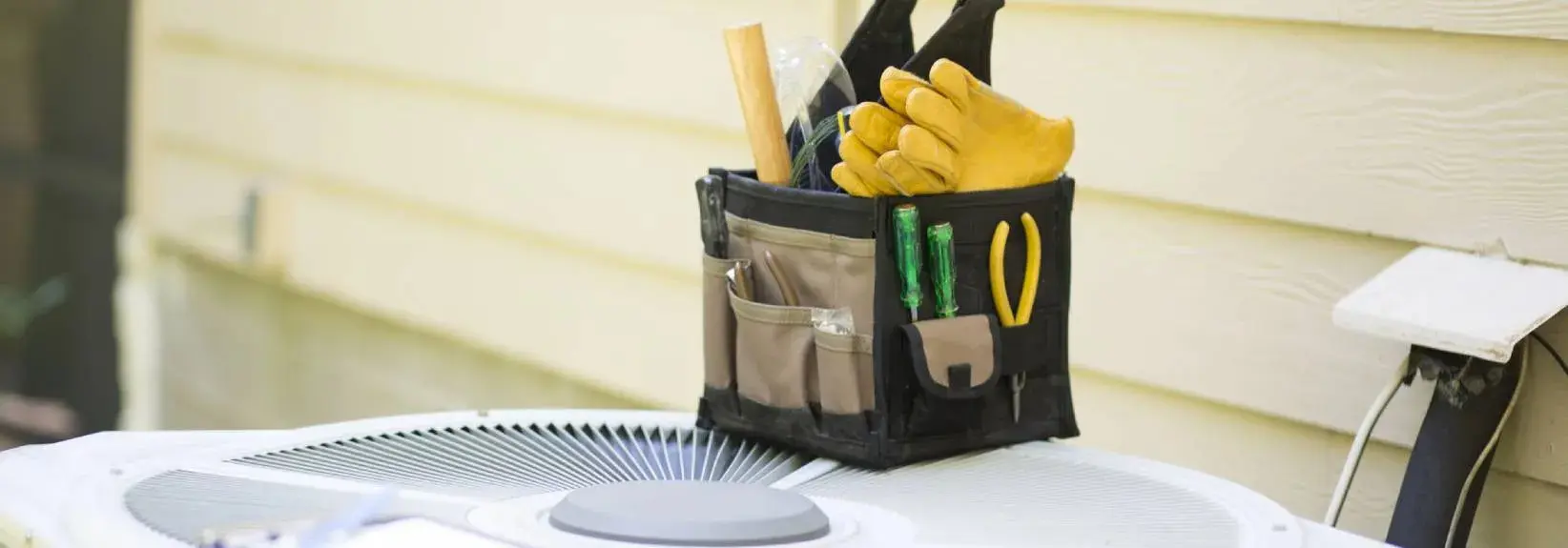
As the hotter months get closer, you may wonder how to keep your home cool and comfortable without your energy costs soaring. The secret lies in using your air conditioner more effectively. Follow these 12 simple recommendations and techniques to keep your HVAC system in optimal condition, reduce energy consumption and save money.
1. Leave the Thermostat Alone
Constantly altering the thermostat makes your cooling system work harder, raising energy consumption and causing excessive wear and tear. To boost efficiency, set the temperature at a comfortable level—preferably around 78 degrees F (25 degrees C)—when you’re inside the residence. Then, refrain from changing it. If you start to get hot, remove a layer of clothing, spray water on your skin or turn on a fan to cool off without turning down the temperature.
2. Set the Temperature Back When You’re Away
For maximum savings, set the temperature 7-10 degrees higher than your standard setting for at least eight hours per day. To help you “set it and forget it,” it might be a good idea to consider setting up a programmable thermostat. This convenient upgrade allows you to set temperatures based on your everyday routines, automatically changing the temperature to create a comfortable home when you’re there and saving energy when you’re out.
3. Keep the Curtains Closed
Solar heat gain from direct sunlight makes your AC run longer than it really should. To reduce heat gain, close the curtains over your south- and west-facing windows in the afternoon. Window coverings with light-colored backings reflect sunlight the best.
4. Keep the Vents Open
Covered or closed air vents throw off your HVAC system’s supply/return air balance, decreasing efficiency and upping operating costs. To stop this, always keep at least 80 percent of your supply registers open and ensure that no return vents are hindered by curtains, furniture or rugs.
5. Create Airflow with Fans
Utilizing fans in combination with your HVAC system circulates cool air more, making your home feel more comfortable while barely increasing energy consumption. Ceiling fans, in particular, create a wind chill effect that makes the room feel about 4 degrees cooler, allowing you to set the temperature higher without losing comfort.
6. Get Rid of Hot and Humid Air
Cooking and showering produce heat and humidity. Run your kitchen and bathroom exhaust fans during these activities to lower your home’s cooling load. In addition, ensure that your clothes dryer vents to the outdoors to stop hot, humid air from releasing into your residence.
7. Use a Dehumidifier
High humidity levels make your home feel cool but clammy, tempting you to lower the temperature. A dehumidifier removes unwanted moisture, making your home feel cooler and more comfortable while requiring a lot less electricity than using the air conditioner.
8. Install Your Outdoor AC Unit in the Shade
The outdoor unit’s location impacts its performance significantly. Installing it on your home’s north or east side protects it from the afternoon heat for more effective heat transfer. If the unit gets direct sunlight at the hottest hours of the day, consider planting a tree or getting a screen to shade it. Just make sure that any plant or structure you add doesn’t hinder airflow.
9. Save Your Chores for the Evening
Cooking, laundry and doing the dishes create indoor heat gain, making your HVAC system work harder. Doing these activities at night when temperatures are cooler reduces the cooling load during the hottest time of the day and saves energy.
10. Replace the Air Filter
A clogged filter restricts airflow and increases energy consumption, so switch it out on a regular basis to promote optimal performance. Many basic filters should be replaced every 30 to 90 days, but its best to follow the manufacturer’s recommendations for the ideal replacement schedule for your product.
11. Seal and Insulate the Ductwork
Leaky, uninsulated ducts waste significant amounts of energy, especially if they run through unconditioned spaces like the attic, crawl space or garage. Sealing and insulating your ductwork maintains system efficiency and reduces energy spending.
12. Schedule Preventative AC Maintenance
Scheduled tune-ups are crucial to keep your AC running properly. Use a certified professional to inspect, clean and service your system every spring. This precautionary measure extends your HVAC system's life span, reduces energy consumption, and allows the technician to find and fix potential issues before they become expensive problems.
Request Air Conditioning Service in the U.S
At Service Experts Heating, Air Conditioning & Plumbing we pride ourselves on offering comprehensive AC services, such as installation, maintenance, repair and replacement in the U.S. Our customers choose us again and again for our unrivaled knowledge and dedication to customer satisfaction. In fact, we offer a Service Experts Guarantee on every service we provide! Work with our friendly staff to keep your home cool, comfortable and energy efficient this summer.