Electricity powers everyday life, powering everything from your lights and TV to your refrigerator and air conditioner. However, with the convenience of these appliances and electronics comes the need for caution. After all, an electric current can be hazardous if mishandled. Faulty wiring, overloaded circuits and damaged appliances can all result in damage to the entire system. Follow these crucial electrical guidelines at home to prevent shocks, electrical fires and power cuts.
1. Conduct Regular Inspections on Your Electrical System
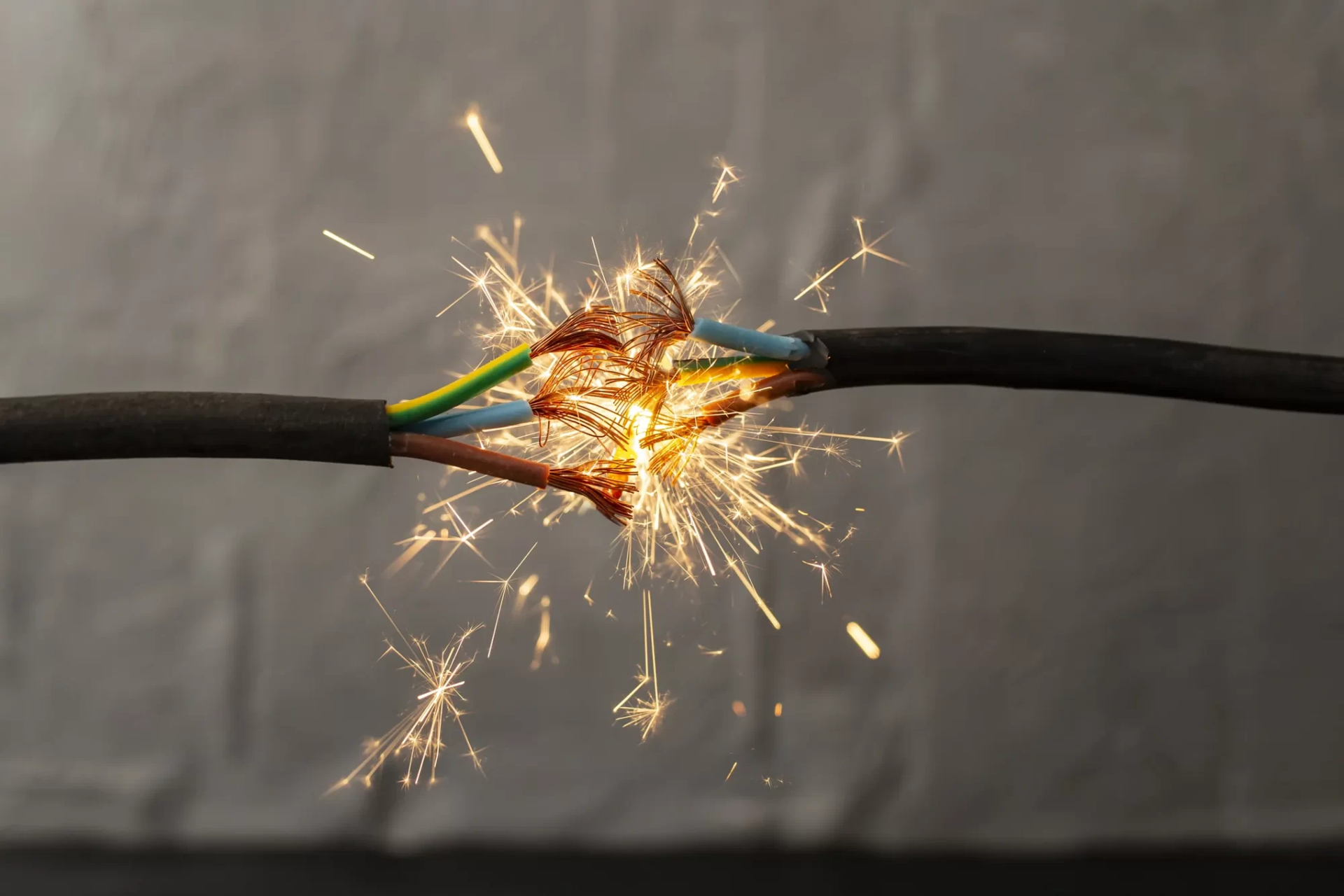
Make it a habit to check on your home’s power outlets, switches and associated wiring. Signs of wear and tear include cracked or broken outlets, hot, discolored switches and visible wiring damage. If you spot any other concerns, such as sparks coming from an outlet or lights that turn on and off, it’s time to get the help of local professionals.
2. Avoid Overloading Circuits
One major cause of electrical fires is overloaded circuits. This can happen when too many devices are plugged into a single outlet or circuit, risking overheating. To avoid this, evenly distribute the electrical system's total demand between different outlets and circuits.
Heavy-duty appliances, like refrigerators and AC units, should have their own plugs to minimize the risk of overloading. Using multi-outlet strips can help you manage multiple devices more easily, but they aren't designed to try and stretch an overloaded circuit's capacity. Make sure your multi-outlet strips also have surge guards for total safety.
3. Practice Safe Plugging and Unplugging
Following safety guidelines whenever you handle your electrical sockets and wiring greatly impacts electrical safety. Always have the plug fully connected to the socket before turning on the device. If you notice that the plug is loose and risks falling out, call an electrical professional. When removing the plug, focus your grip on the plug itself rather than yanking the cord to prevent damage.
4. Never Mix Electricity and Water
Electricity and water are a dangerous combination at home. Direct contact with too much moisture risks an electrical short or localized shock. Keep appliances away from contact with water, using additional caution in humid spaces like kitchens and bathrooms where higher moisture is most likely.
5. Replace Outdated Electrical Before It Becomes Unsafe
Old wiring is at a higher risk of failure and erratic performance. Replacing old electrical infrastructure improves the home's energy efficiency. For instance, your older home might not have safety innovations like ground fault interrupters, so look into having those installed wherever there's a risk of electrocution if the outlet is splashed with water. In addition, AFCIs (arc fault circuit interrupters) help stop fires by protecting from electrical arcs. These will be most effective in the living room and any bedrooms.
6. Select Proper Light Bulbs
Always look for lighting options that match the recommended wattage for your fixtures. Using a higher-wattage bulb than specified may cause overheating and damage to the fixture. Choose LED bulbs, a long-lived, energy-efficient alternative to incandescent bulbs. They also produce less heat, making them the natural choice.
7. Employ Surge Protectors
Unexpected power surges can damage your home's electrical system and even pose a fire risk. A whole-house surge protector is particularly smart for homeowners wanting to insulate their entire electrical system and HVAC from extreme surges, like those caused by thunderstorms. For individual devices, opt for socket surge protectors to safeguard against sudden voltage spikes. These provide an additional investment in safe electrical and ensuring that key electronics or medical devices are safe from losing power.
8. Teach Your Family Key Safety Tips
Talk to your family about these electrical safety tips so they learn and follow these best practices. Teach children not to stick objects into outlets, tug on plugs and wiring or handle electrical devices without help. Include emergency procedures with your family, such as how to use a fire extinguisher and why we avoid dousing an electrical fire with water. Teaching your family creates a safer environment for everyone.
9. Employ Certified Experts
Working with electrical systems is best left to trained, insured professionals. For simple jobs, always turn off the power at the breaker box before starting work and use the proper tools and materials. Without enough experience, it is better to hire a licensed electrician for tasks like whole-house rewiring, installing new outlets and any major repairs.
Licensed electricians can stay informed about electrical regulations, which are sometimes changed when responding to new safety concerns. If you’re doing several large electrical projects, you’ll also need to pull the necessary permits, which an electrician can handle for you. Without experience, DIY fixes often cause more harm than good, so avoid the hassle in the first place and keep your home in compliance by letting an electrician take care of it.
Schedule Expert, Licensed Electrical Services
Ensuring electrical safety prevents damage and protects your loved ones and home alike. When you need a breaker panel upgrade, or washer/dryer hookup, trust Service Experts. We pride ourselves on delivering fast, yet lasting solutions for all residential electrical needs. Contact us today to learn more about licensed electrical services in your area.