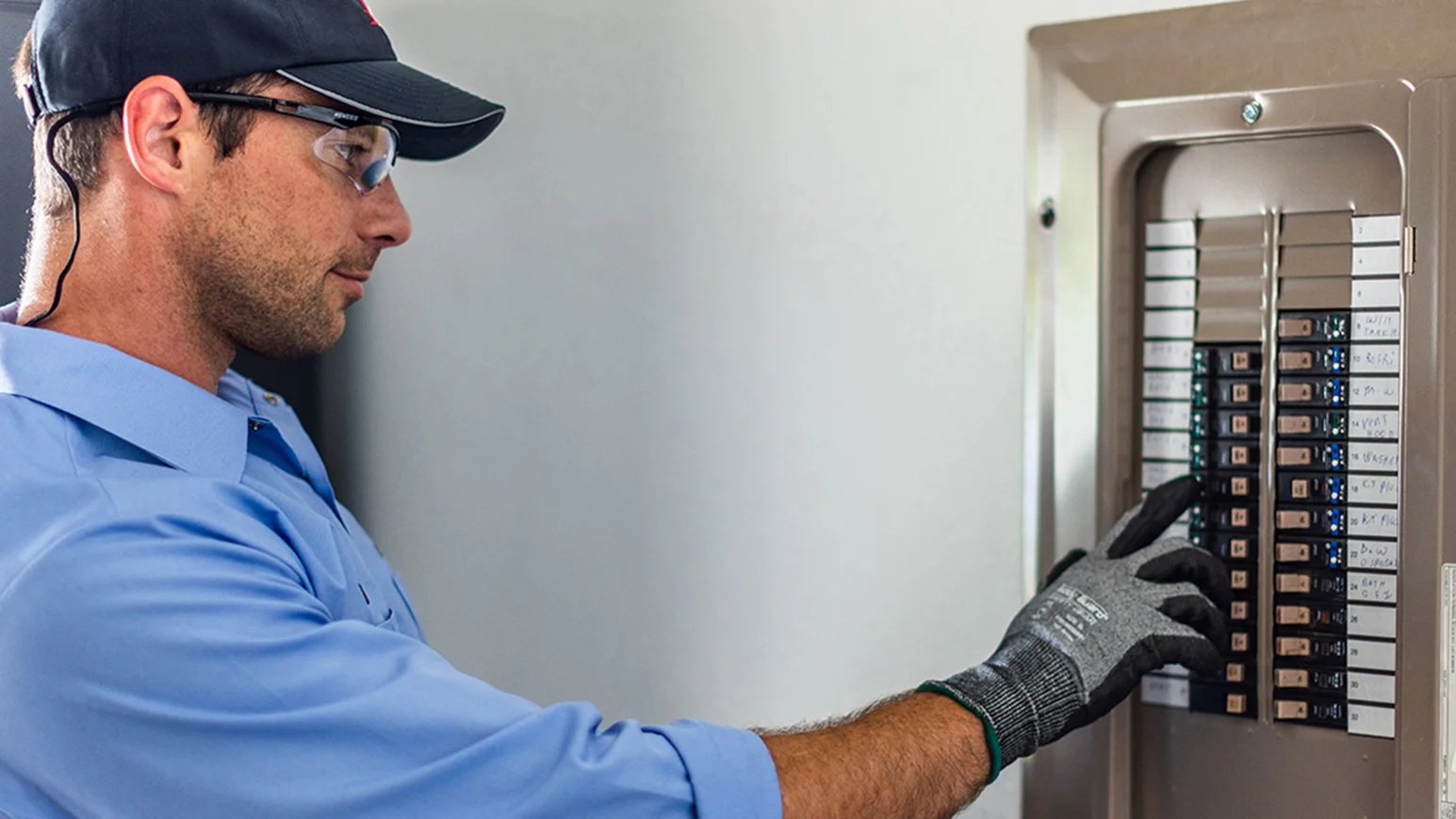


If your circuit breaker trips occasionally, it’s usually doing exactly what it was designed to do — protect your home and electrical systems from excessive current. However, when a breaker keeps tripping, especially on the same circuit, it’s more than a minor inconvenience. It can indicate an overloaded circuit, a faulty appliance, a short circuit or a more serious wiring problem. Understanding why breakers trip can help you identify simple issues you can safely address yourself and recognize when it’s time to call a qualified electrician.
What Does It Mean When a Breaker Trips?
A circuit breaker is a safety device that automatically interrupts the flow of electricity when it detects a potentially dangerous condition. Rather than allowing excessive current to continue flowing through the wiring, the breaker switches off the circuit. Here’s why it might keep happening.
- The Circuit Is Overloaded
One of the most common explanations is simply that too many electrical devices are drawing power from the same circuit. Every circuit has a maximum amount of current it’s designed to carry. When the combined electrical demand becomes too high, the breaker trips to prevent the wiring from overheating.
This can happen when you use several high-wattage appliances simultaneously, such as:
- Space heaters
- Microwaves
- Toasters
- Hair dryers
- Kettles
- Air conditioners
- Washing machines or dryers
- Portable cooking appliances
If the breaker trips when several appliances are running but stays on when you use them separately, an overloaded circuit is a likely explanation.
- A Faulty Appliance Is Causing the Problem
Sometimes the circuit itself is fine, but one appliance connected to it has an electrical fault. Damaged cords, deteriorating insulation, internal component failures, or moisture can cause a device to draw excessive current or create a fault. If the breaker consistently trips after you switch on one particular item, that’s an important clue.
Don’t keep resetting the breaker and repeatedly plugging the suspected appliance back in. Disconnect it and have the item inspected or repaired if necessary.
- There’s a Short Circuit
A short circuit occurs when electricity finds an unintended low-resistance path. This can cause a large surge of current, prompting the breaker to trip almost immediately.
Short circuits can result from damaged wiring, loose connections, faulty outlets, damaged appliance cords or problems inside electrical equipment. A breaker that trips immediately when you reset it — particularly if nothing new has been plugged in — could indicate a short circuit or another electrical fault.
- Ground Faults
Ground faults happen when electricity takes an unintended path to the ground. They’re particularly concerning in areas where electricity and water may come into proximity, such as kitchens, bathrooms, garages and outdoor areas.
Ground fault protection devices are designed to disconnect power quickly when they detect this type of problem. If a circuit repeatedly loses power in a damp location, don’t assume the breaker is simply being overly sensitive. There may be a genuine safety issue that needs professional attention.
- The Breaker Itself May Be Faulty
Circuit breakers can wear out or develop faults over time. One that’s old, damaged, loose or otherwise malfunctioning may trip even when the circuit isn’t experiencing an obvious overload. This can be difficult to diagnose without testing equipment, so replacing a breaker should generally be left to a qualified electrician.
- Wiring Problems
Damaged, deteriorating, incorrectly installed or loose wiring can also cause repeated breaker trips. Electrical wiring problems are particularly important to investigate because they can cause excessive heat and increase the risk of electrical fires. Warning signs can include buzzing sounds, burning smells, discolored outlets or switches, flickering lights, warm electrical panels or outlets that feel unusually hot. If you notice any of these things, stop using the affected circuit and arrange for an electrician to inspect it.
- Too Many Devices Are Permanently Connected
An overloaded circuit isn’t always obvious. You may not have several appliances running at the same time, but a circuit can still have a high electrical load from multiple permanently connected devices. For example, lighting, refrigerators, entertainment equipment, computers, chargers and other equipment may all share a circuit. The individual loads may seem insignificant, but together they can push the circuit beyond its capacity.
How to Troubleshoot a Tripping Breaker
You can perform a few basic troubleshooting steps before assuming you need major electrical work done. However, never remove the electrical panel cover, handle exposed wiring or attempt repairs if you’re not qualified to do so.
Step 1: Identify Which Breaker Is Tripping
Start by looking at your electrical panel and identifying the breaker that has switched off. Make a note of which areas or appliances have lost power. This can help you determine what's connected to the affected circuit.
Step 2: Unplug Appliances on the Circuit
Unplug portable appliances connected to the affected circuit, particularly high-powered devices. Don’t just switch them off. Disconnecting them from the outlet helps eliminate individual devices as potential sources of the problem. Once the appliances are unplugged, you can attempt to reset the breaker once.
Step 3: Reset the Breaker Properly
Move the tripped breaker fully to the off position before switching it back on. If it stays on, reconnect appliances one at a time rather than plugging everything back in simultaneously. This can help you identify whether a particular item causes the breaker to trip. If the breaker trips again immediately, don’t continue resetting it.
Step 4: Look for a Pattern
Pay attention to when the breaker trips. Does it happen when you turn on a particular appliance? Does it occur after several devices have been running for a while? Does it happen when it rains or when a certain area becomes damp? The pattern can provide valuable information.
Step 5: Check for Obvious Warning Signs
Without opening outlets, switches or the electrical panel, look for visible signs of a problem. These can include:
- Burning or smoky odors
- Scorch marks or discoloration
- Buzzing or crackling
- Warm outlets or switches
- Flickering lights
- Sparks
- Damaged cords
- Loose or damaged outlets
- Water near electrical equipment
For example, a burnt odor could be a warning sign that plastic components are overheating or that tiny electrical sparks are occurring behind an outlet or switch. It may also indicate that wiring has lost some of its insulation, causing a short circuit. If you see or smell something unusual, don’t continue troubleshooting by repeatedly resetting the breaker.
Step 6: Check Whether the Problem Follows One Appliance
If the breaker remains on after you disconnect everything, reconnect appliances individually. The appliance may be the culprit, but don’t automatically assume it’s the only possibility. The outlet or wiring supplying it could also have a problem.
Step 7: Consider Whether the Circuit Needs More Capacity
If the breaker consistently trips because several legitimate electrical loads are being used at the same time, the solution may involve changing how appliances are distributed across circuits or having an electrician assess whether additional circuit capacity is appropriate.
Don’t solve an overload by installing a larger breaker yourself. The breaker must be properly matched to the circuit wiring and electrical installation. Simply fitting a higher-rated breaker can allow wiring to carry more current than it was designed to handle. If you’re nervous or lack electrical knowledge, it’s important to call a professional who understands the requirements for installing arc-fault circuit and ground-fault circuit interrupter breakers.
Don’t Let the Warning Go Unnoticed
A tripping breaker is your electrical system’s way of telling you that something needs attention. While you can safely troubleshoot by unplugging appliances and looking for obvious patterns, repeated trips should never be ignored or treated as something to simply reset. Once you find out what’s wrong, you can deal with it accordingly.