Heat pump water heaters, also known as hybrid water heaters, are an innovative and earth-friendly solution that might be perfect for your household’s hot water needs. Delve into the inner workings of these fascinating units and explore their pros and cons to help you decide if a heat pump water heater is right for your North American home. Then, consider other alternative water heating possibilities and learn when to replace your water heater.
How Do Heat Pump Water Heaters Work?
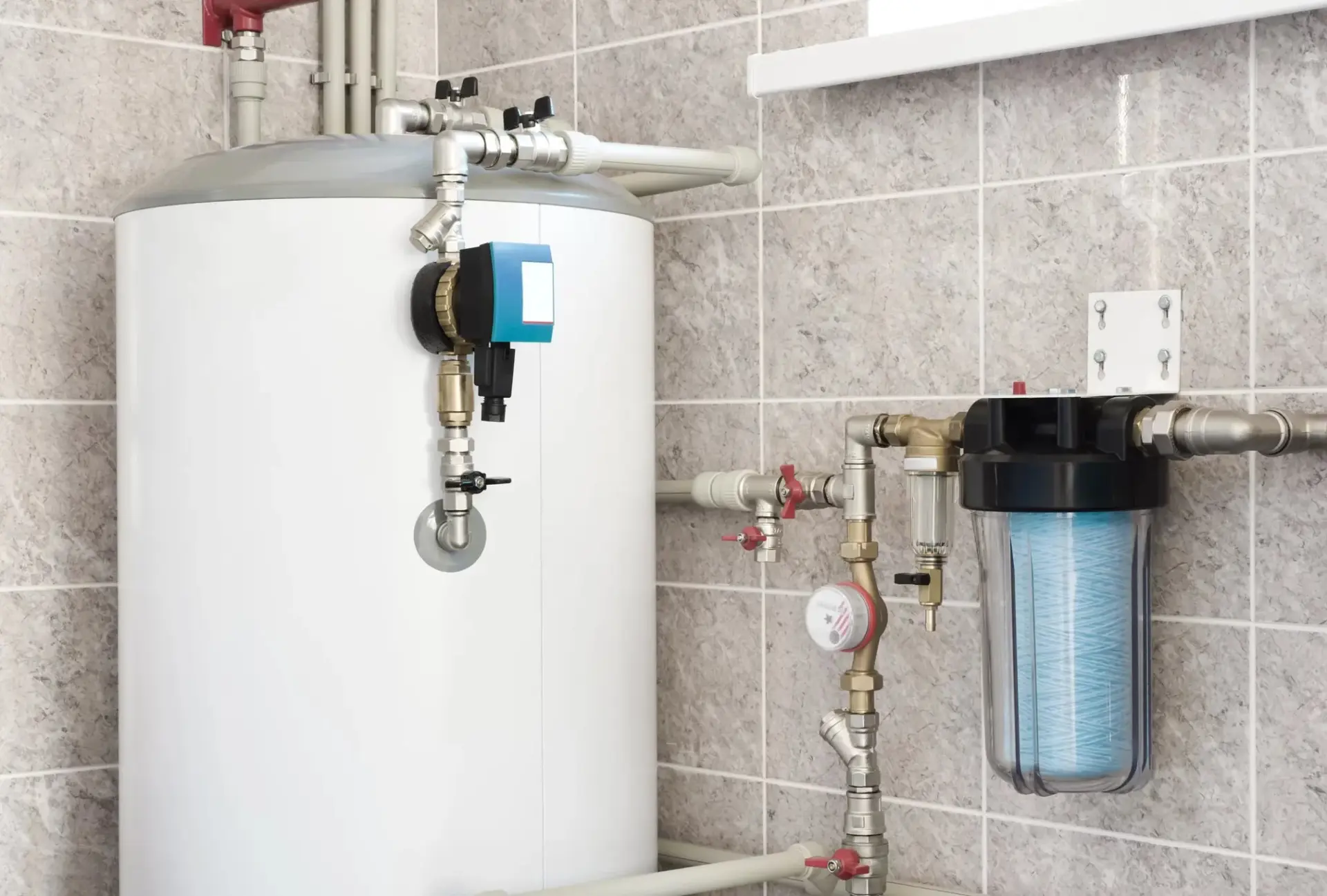
Heat pump water heaters use energy from the air or ground to warm the water secured in a sizeable, insulated tank. They operate in a similar fashion to a refrigerator, but in reverse. Instead of discharging heat to cool a space, they bring heat into the system to elevate the water temperature. These water heaters need a lot less electricity than conventional electric resistance models, acting as an energy-efficient option for homeowners who want to cut their costs and decrease their carbon footprint.
Heat Pump Water Heaters: Pros and Cons
Benefits of Heat Pump Water Heaters
More and more North American homeowners are opting to heat their water with heat pump devices. Here are a few of the pros of doing so:
- Energy efficiency: Heat pump water heaters are remarkably energy-efficient, requiring about 60% less electricity than conventional electric resistance water heaters. This efficiency translates to significant utility bill savings, making them a beneficial possibility.
- Earth friendly:Lower energy consumption equates to fewer greenhouse gas emissions. The eco-friendly properties of heat pump water heaters improve even more when heat pumps are combined with solar panels.
- Long life span: These water heaters last up to 15 years, reducing how regularly they must be exchanged for a new unit.
- Rebates and incentives: Several federal, state and local governments provide rebates, tax credits and other incentives to promote the purchase and installation of energy-efficient appliances like heat pump water heaters.
Drawbacks of Heat Pump Water Heaters
To be a well-educated consumer, you must also learn about the drawbacks of heat pump water heaters. Here’s what to understand:
- More expensive initial investment: Heat pump water heaters are more costly than traditional designs.
- Installation complexity: The tank and heat pump combination makes these units larger at the outset, and they will need extra space for correct airflow, potentially increasing installation expense and complexity.
- Noisier operation: Compressors and fans make heat pump water heaters louder than conventional designs.
- Reduced efficiency in cold climates: Heat pump technology is heavily affected by ambient temperature, so these units aren’t recommended for colder environments.
Other Less Conventional Types of Hot Water Heaters
Storage tank water heaters powered by natural gas or electricity are the most widely used type of water heating system. Still, multiple other alternative options are available in addition to heat pump water heaters. Consider these effective, clever solutions:
- Tankless water heaters heat water on demand as it flows through the small, wall-mounted unit, eliminating the need for the large storage tank and wasteful standby heat loss.
- Point-of-use water heaters are small tankless systems installed directly where you need hot water the most, such as the kitchen, bathroom or laundry room. This significantly decreases the wait time for hot water and enhances the ability to multitask hot water activities.
- Solar water heaters use the sun’s power with integrated solar panels, which offers an environmentally friendly alternative in sunny climates.
- Combination boiler water heaters produce both space heating and water heating from one unit, eliminating the need for individual appliances.
- Condensing water heaters employ the heat from exhaust gases to enhance efficiency and reduce energy consumption.
How to Know You Need a New Water Heater
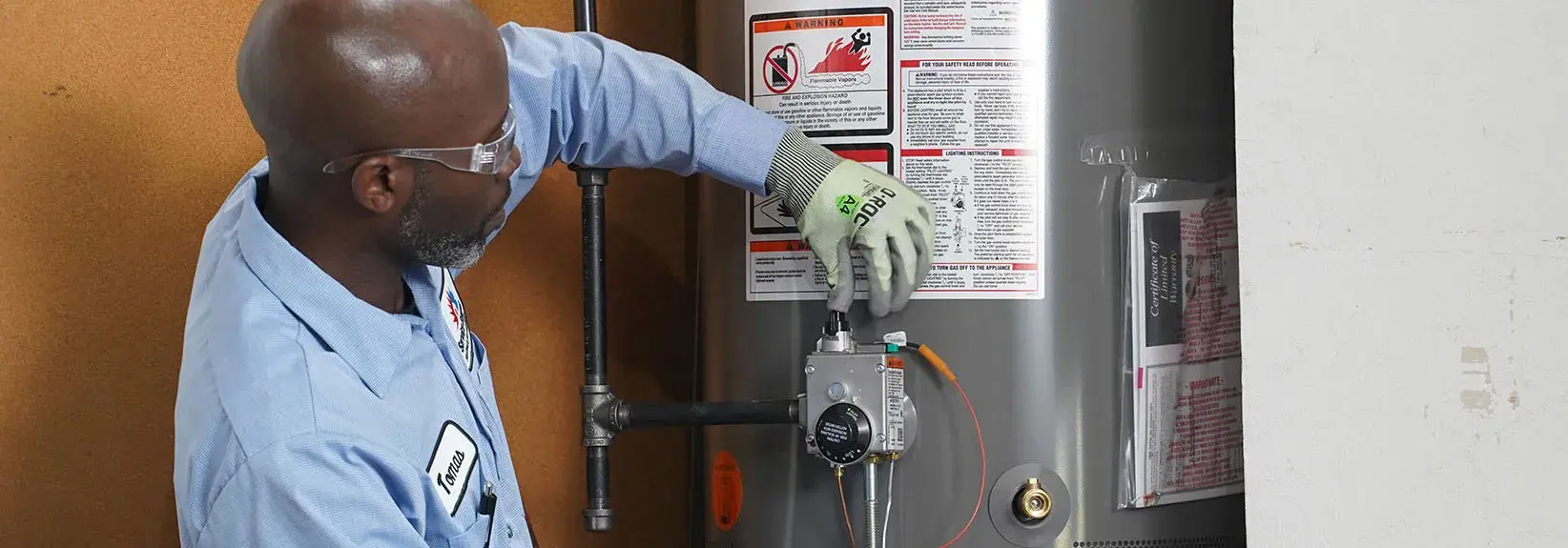
Recognizing the warning signs that it’s time to replace your water heater can prevent the aggravation of an emergency replacement. Some important indicators include:
- Age: traditional water heaters last eight to 12 years. If yours is getting close to or has exceeded this age range, consider a replacement before a catastrophic failure occurs.
- Frequent repairs: If your water heater is frequently breaking down, installing a new one may be a lot more cost-effective.
- Rising power bills: Increasing energy costs are a warning sign of a decline in your water heater’s efficiency, meaning it may be getting close to the end of its life.
- Rusty water: If your hot water is discolored or has a metallic taste, internal corrosion may be taking place. Protect your family’s health by investing in a new unit.
- Insufficient hot water: Do you consistently find you don't have enough hot water? Your unit may no longer fulfill your household's needs.
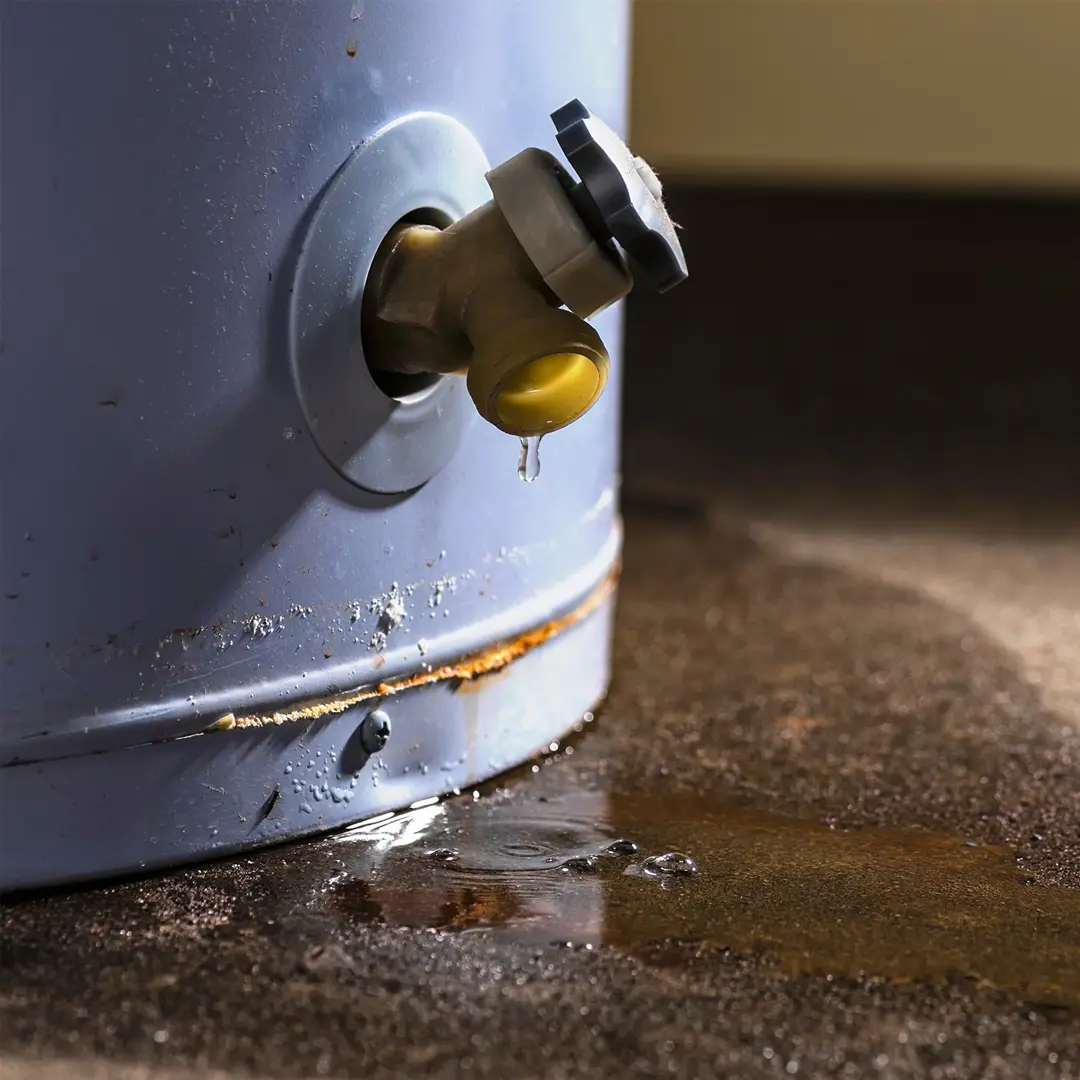
- Water leaks: Pools around your water heater tank may suggest corrosion or valve leaks that may require a repair or replacement.
Schedule Water Heater Services in North America
For a growing number of homeowners, the merits of heat pump water heaters are greater than the drawbacks. If you decide that it’s time to replace your water heater, turn to Service Experts for superior quality, wallet-friendly services. Our crew of highly skilled, licensed plumbers can help you find the appropriate water heating solution for your North American home, whether that’s a conventional storage tank or a less conventional solution. From expert installation to routine maintenance and repairs, we’ve got you covered! Get a hold of Service Experts to schedule water heater services today.