
.2508061213192.png)
A regular check-up for your furnace is about as exciting as it sounds. However, as we approach the colder months, now is the smartest time to ensure your furnace is ready to provide you maximum comfort throughout the cold season.
Among the leading ways to reduce furnace breakdowns and make sure it runs efficiently is with yearly scheduled tune-ups on your furnace. Just like all mechanical equipment, the working life of a furnace will be extended with preventive maintenance, by ensuring that all the elements of the unit are running efficiently. In addition, regular cleanings can help pinpoint going concerns before they become big problems and you end up cashing out for emergency rates on a cold winter night. Plus, because furnaces burn fuel to heat things up, it’s important to inspect all the various parts to ensure there aren’t any cracks or leaks that could impact the safety of your family. Taking the time to schedule a tune-up, even when it's not making that odd rattling noise you've been ignoring, will save you time, stress, and money throughout the heating season.
Is it true my warranty is voided if I don’t get my furnace serviced?
Most manufacturers’ warranties necessitate yearly HVAC maintenance to keep valid, so neglecting your tune-ups can sometimes result in losing your heating or AC system warranty, which can be major money if your system does ever breakdown in the middle of a cold snap. Make sure you get all you can from your warranty by ensuring it's valid as long as possible with yearly furnace system tune-ups from Service Experts Heating, Air Conditioning & Plumbing.
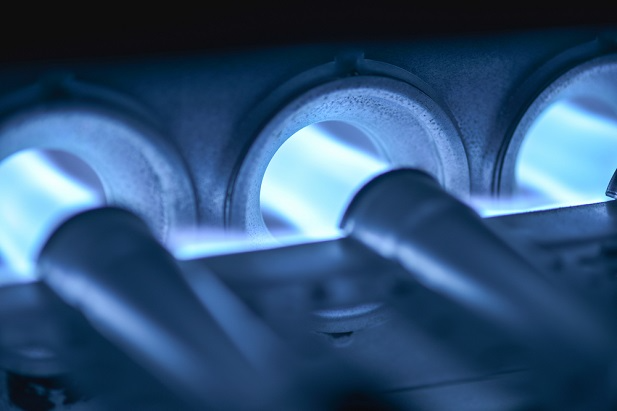
What can I do to troubleshoot my furnace before calling a tech for service?
Here are a couple troubleshooting tips we suggest checking out early on in the heating season:
1. Inspect your home’s air filter
Air filters can easily be forgotten, but their importance to your home’s furnace efficiency cannot be overstated. Filthy air filters can mean a host of comfort annoyances for homeowners, including:
- working
- Restricted airflow
- Lower efficiency
- Higher energy bills
If you take out your home’s air filter, hold it up to a light. If you can’t see light coming through it, it’s probably been a while since your last heating service, and likely time to get a new one. If it’s a simple disposable air filter, just buy a like-size new one. It’s also a good idea to write down the date you installed the new filter, so you know how old it is next time it needs to be replaced. Read the filter packaging to see how long the new air filter is intended to be used.
2. Double check your thermostat.
- One of the most basic tasks that homeowners can do is check the thermostat.
- Ensure it is set to Heat and not Cool, and that the temperature setting is greater than the current indoor temperature.
- If you can’t remember the last time you changed your thermostat’s battery, now is the perfect time to do it.
- When first switching over to your heat setting, turn your thermostat up a few extra degrees to make certain that it is working as it should be and heating your home’s air.
3. Open up your air vents.
There’s a common misconception that you can increase your savings by shutting the vents (supply registers) in rooms that aren’t being occupied. Resist the urge to close too many, as doing so can actually increase the pressure in your furnace, making it work harder to heat your home. This can lead to failed blower motors, mold or mildew in your ductwork, damage to the compressor, a burst heat exchanger, and other problems.
- Full inspection. The service should include a full visual and point inspection to check all the working parts of your furnace and duct system. An experienced service technician should be able to identify any concerns or signs of excessive wear during this review.
- Lubrication. Mechanical equipment needs lubrication to reduce friction between the moving parts. Your furnace tune-up should include a complete lubrication.
- Pilot and gas pressure regulating. As part of your tune-up, adjustments should be made to the pilot and gas pressure when needed to return these elements to the designed specifications.
- Filter replacement. A comprehensive furnace tune-up should include a standard 1″ filter replacement with your service. Typically, furnace filters need to be changed at least every third month, which can improve efficiency and prevent operational glitches.
- Written assessment. Professional HVAC companies always will give you their analysis in writing or on the receipt with your tune-up, including their professional maintenance suggestions for the next year. This insightful information can help you figure out the current condition of your furnace and outline ways to lower your energy bills.
4. Is the Furnace Getting Electricity?
Shift the thermostat to “on” from “auto” to force the fan to function. If the fan does come on, power is working correctly, but if it doesn’t, your furnace might not be receiving power.
5. Is the Furnace Switch Working Properly?
All furnaces have a power switch (just like a light switch) either on the furnace or on a nearby wall. Flip the switch and wait a few minutes to see if it turns the furnace on. Also confirm that all access panels and doors on the furnace are completely closed.
6. Condensate Drainage
High-efficiency furnaces can drain off several gallons of water every day. If the drain lines aren't clear and open, the furnace will shut down.
7. Assess Vents for Blockage
If you have a furnace that vents out the side of the house, assess the situation to see if anything could be blocking the intake or exhaust. Confirm the area is clear of leaves, animal nests, or snow/ice.
What Should You Expect After a Furnace Tune-Up?
Improved Function
Your heating and air conditioning system naturally loses energy efficiency over time. This loss of efficiency is due to several reasons, including dust and dirt, natural wear and tear, and buildup in drains or on burners. Keeping your heating system maintained with routine professional tune-ups can help to reduce these factors. During your tune-up, your HVAC technician will clean and check over your unit, identifying areas of corrosion. They can identify failing parts in need of replacement before they become a bigger problem. A tune-up alone may instantly improve energy efficiency by up to 30%. You’ll also enjoy cleaner air and a cleaner house because your HVAC equipment will be distributing clean air through a clean air filter. Perhaps one of the greatest benefits you’ll enjoy following a fall furnace or AC tune-up is decreased utility bills. An overworked HVAC system must work more to heat and cool your home, while a furnace or air conditioner that has been finely tuned can take less energy to provide exceptional indoor comfort. Because your heating system operates more efficiently, it will deliver superior heating at lower cost than you otherwise may have had during the coming months.
A Longer-Lasting HVAC System
Your HVAC system is a valuable investment with a limited lifetime. Depending on use, with professional maintenance you can expect your furnace and air conditioner to perform between 8-18 years before you will need to install a new one. However, poor maintenance is one of the primary reasons for earlier replacement HVAC systems before end of average life expectancy.
If you’re wondering how much a furnace tune up costs, you can relax knowing it’s not going to cost a limb. Sometimes we have special offers in your local area that you can take advantage of.
It’s better to take action now and be prepared than to regret it during the coldsnap of the century when your furnace isn't working. If you would like to learn more about what a furnace tune-up includes, or how it benefits you—give our experts a call at (866) 963-7996 or schedule an appointment online.