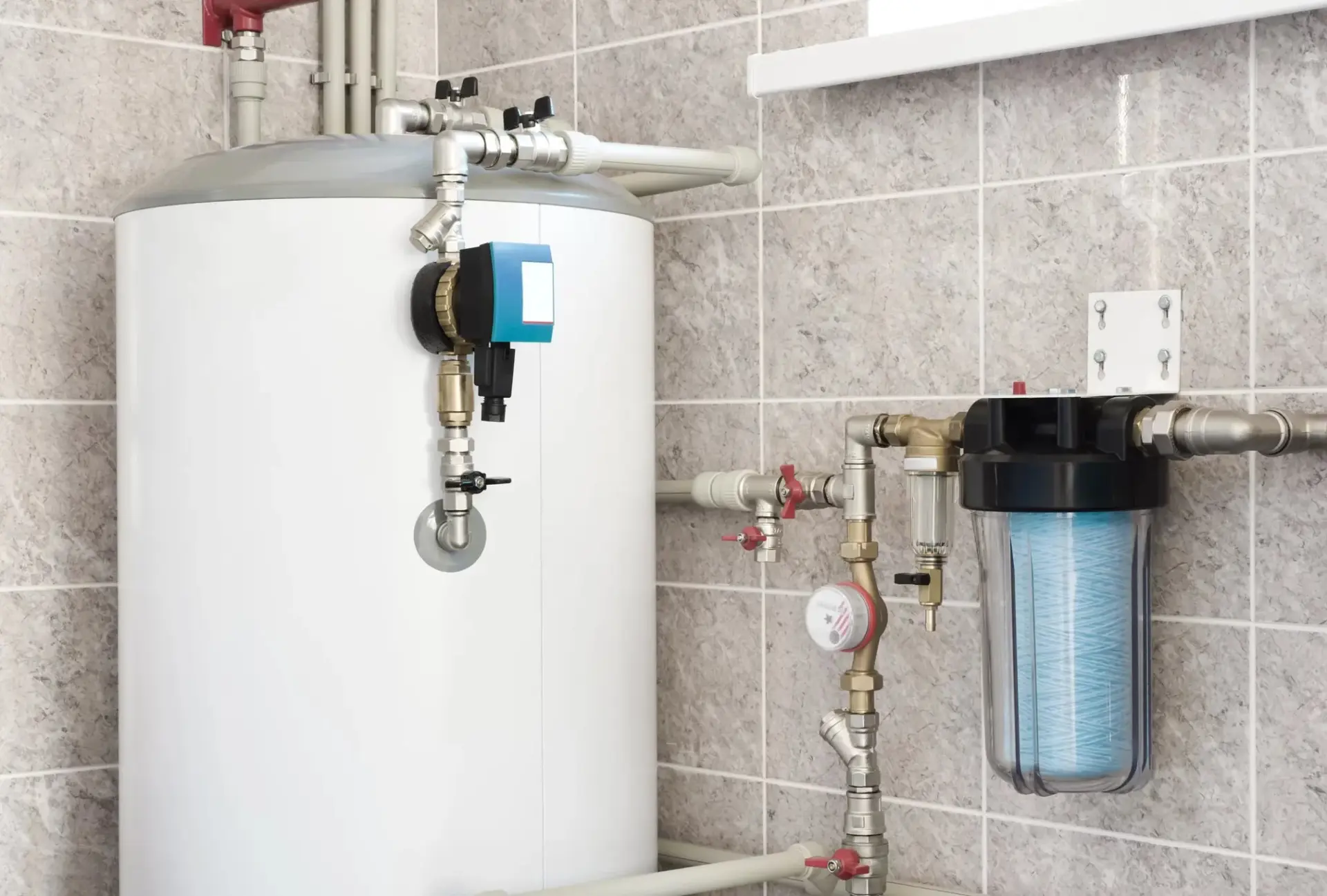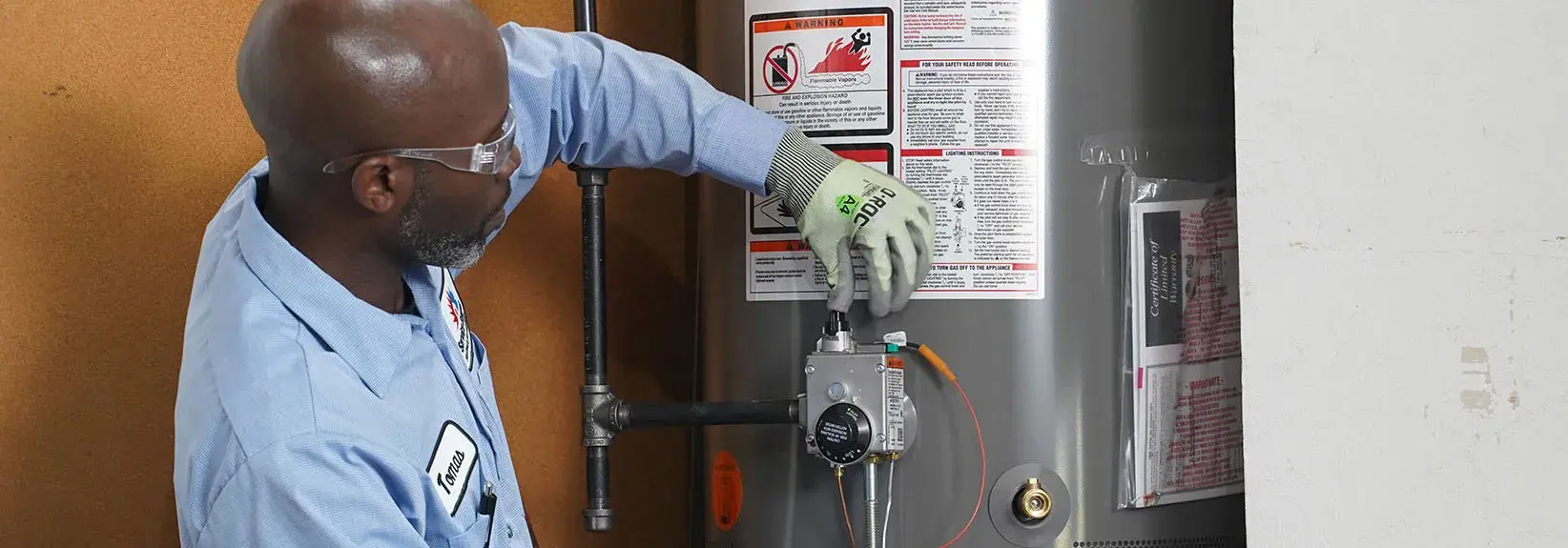


Your hot water heater is probably the most underestimated system in your home. Really Ð without your water heater, you wouldn't have any of the following:
- Warm showers
- Toasty baths
- Sanitized dishes
- Sanitized towels and sheets
- Hot water, period.
Given the power of the water heater, do you actually know much about it? We’re here to provide a few things to remember when it comes to servicing, maintaining, and replacing your water heater.
The usual lifespan of residential water heaters is between ten and twelve years.
Natural gas and electric water heaters will usually last about a decade before you need to think about replacing the system. If you are unsure what age your water heater is, the date the equipment was manufactured will be displayed in the serial number which is located on the identification tag on the water heater tank.
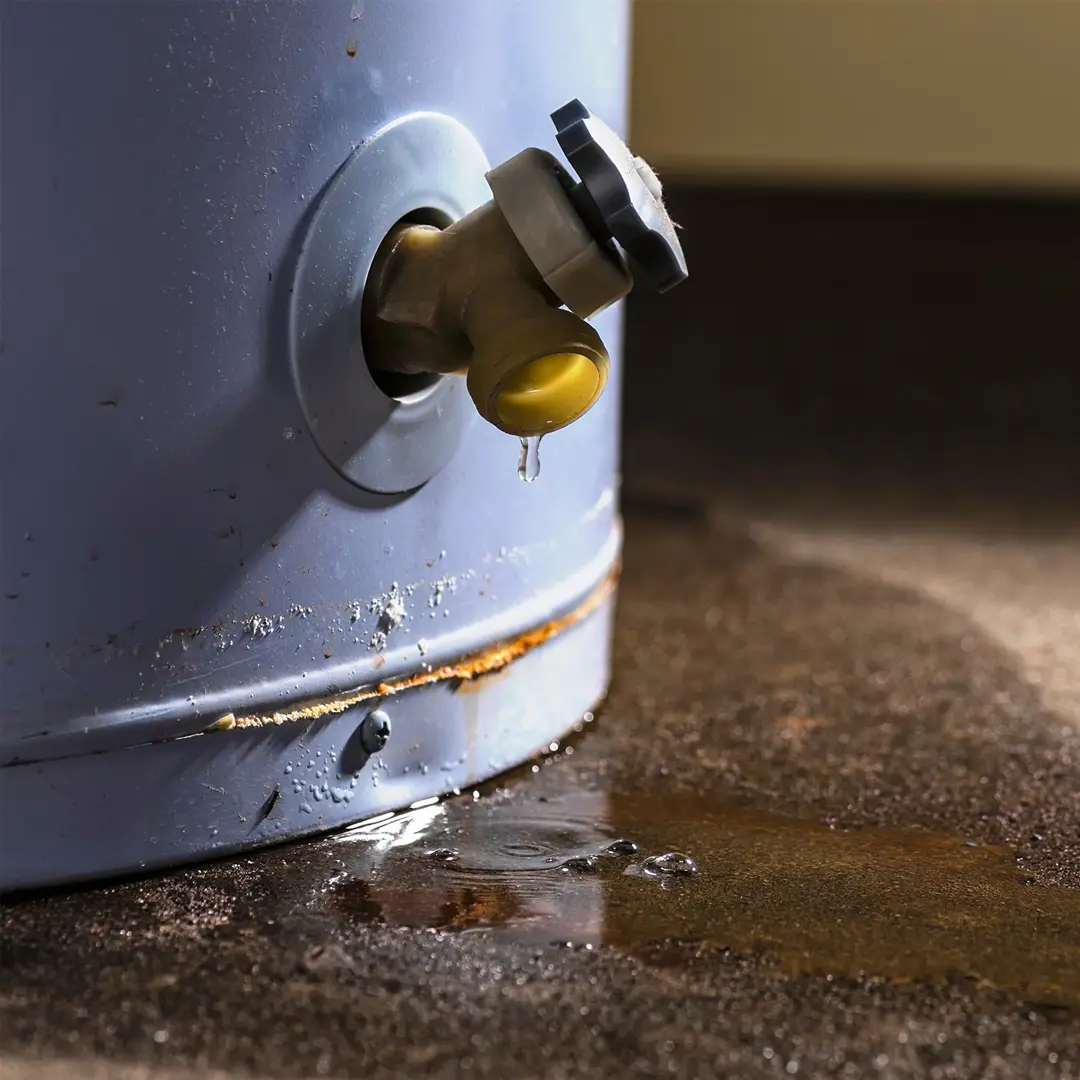
Aging water heaters are nothing to ignore. A water heater that is a decade or older is at higher risk of getting a leak and causing water damage to your home. If your water heater is in your attic or above the ground floor, the possibility of catastrophic damage goes up. Be sure you have your water heater maintenance every year to keep any leaks from damaging your home.
The most typical failure of residential water heaters that will need replacement is a leaking tank.
It is a good idea to have your installer place the water heater in a drain pan with piping that lets the pan to drain outside of your home and lower the probability of water damage. Each water heater should have a operational and reachable cut-off valve on the inlet water supply to the tank, and a ball-type valve on the gas supply. For electric water heaters, an electrical disconnect should be located within reach.
If a water heater is “undersized,” especially a gas water heater, the equipment will breakdown in a shorter period of time.
When a gas water heater is regularly depleted of hot water due to significant hot water utilization, the gas burner discharges more often which can result in heavy condensation on the tank exterior. The condensation can produce more rapid breakdown of the steel tank. Also, the severe heat from the gas burner on the base of the water heater tank can also cause damage to the glass lining on the interior of the tank, which reduces the life expectancy of the water heater.
Water Heater sizing is a crucial replacement factor.
The water supply cause all water heaters to be under pressure, and as water is heated, it extends creating even more pressure. When thinking about replacing a water heater, it’s typically better to go with a sizable 50 gallon tank, rather than a 30 or 40 gallon tank, presuming the location will accept the larger size. The bigger tank will also provide you more hot water capacity.