
With winter weather settling in, homeowners in the U.S. are dealing with the challenge of home heating costs. Recent years have seen a notable jump in energy prices, leaving many Uncover answers and relief. Uncover what impacts home heating prices, the recent trends we’ve seen and strategies to keep your utility bills in check.
Types of Home Heating Fuel
Many fuels are used to keep homes warm and cozy in the United States:
- Natural gas heats 48% of American homes.
- Heating oil serves 5% of homes.
- Propane fuels another 5%.
- Electricity warms 40% of U.S. homes. Fossil fuels remain the most used source for creating electricity in spite of the increase in renewable energy sources like wind and solar.
What Factors Impact the Cost of Fossil Fuels?
According to the above information, it’s apparent that fossil fuels heat a great majority of North American households. Supply and demand is the most significant factor creating price fluctuations. An increase in supply—triggered by higher production and storage rates—typically lowers prices, while an increase in demand—brought about by extreme weather, a flourishing economy and rising rates for alternative fuels—can cause prices to skyrocket.
How Much Have Natural Gas Prices Increased?
Domestic natural gas production outpaced consumption starting in 2017, leading to a broad price decline through 2018. But, demand has increased significantly recently across all sectors, causing natural gas prices to achieve heights not seen in more than decade.
In 2022, the average wholesale cost of U.S. natural gas reached its highest point since 2008, attaining an average of $6.45 per million British thermal units (MMBtu). This surge represented a major leap of over 53% from the previous year, marking it as one of the steepest annual increases on record.
Numerous factors contributed to the erratic rise and uncertainty of natural gas prices last year. In early 2022, processing hiccups caused by freeze-offs and a large draw from natural gas reserves nudged prices way up. Robust liquefied natural gas (LNG) exports to Europe and other countries, paired with an increase in domestic demand due to cold weather, stretched the price range even further.
In the spring of 2022, prices jumped past $9/MMBtu, only to tumble by 40% following the fire and subsequent closure of the Freeport LNG export terminal. This incident sharply cut U.S. LNG exports and redirected more natural gas toward storage. Unfortunately, as the summer heat yet again, prices climbed once again, hitting a high point in late August.
Shifting into the fall, an uptick in natural gas production and higher-than-average injections into storage saw prices retreat closer to the five-year average. However, as temperatures dropped, the demand for heating caused prices to again.
When Will the Cost of Home Heating Fuel Cool Down?
The changes in natural gas prices highlight the complex interplay of factors influencing home heating prices. As we look onward to the rest of the 2023-24 heating season, the market’s past behavior offers insights into future price trends and the prospect of cost-saving options.
As of late 2023, prices have come down from their previous highs due to robust production and fairly mellow temperatures. Although demand remains steady, forecasters suggest prices around $3.44/MMBtu this winter, offering some respite for individuals as we move through the heating season.
Tricks to Reduce Your Heating Bill
It doesn't matter how you heat your home or what prices are like, you can take several easy steps to improve energy efficiency and cut your heating costs. Here are some suggestions:
- Seal drafty windows and doors with caulk and weatherstripping.
- Use curtains to your advantage, opening them during the day for free light and heat and then drawing them closed in the evenings to insulate your windows.
- Add more attic insulation to prevent heat from rising out of your home.
- Invest in a smart thermostat that learns your behavior and helps you save money.
- Lower the temperature on your thermostat when you’re not home to avoid overheating an empty house.
- Don warmer clothes inside your residence so you don't need to crank up the thermostat.
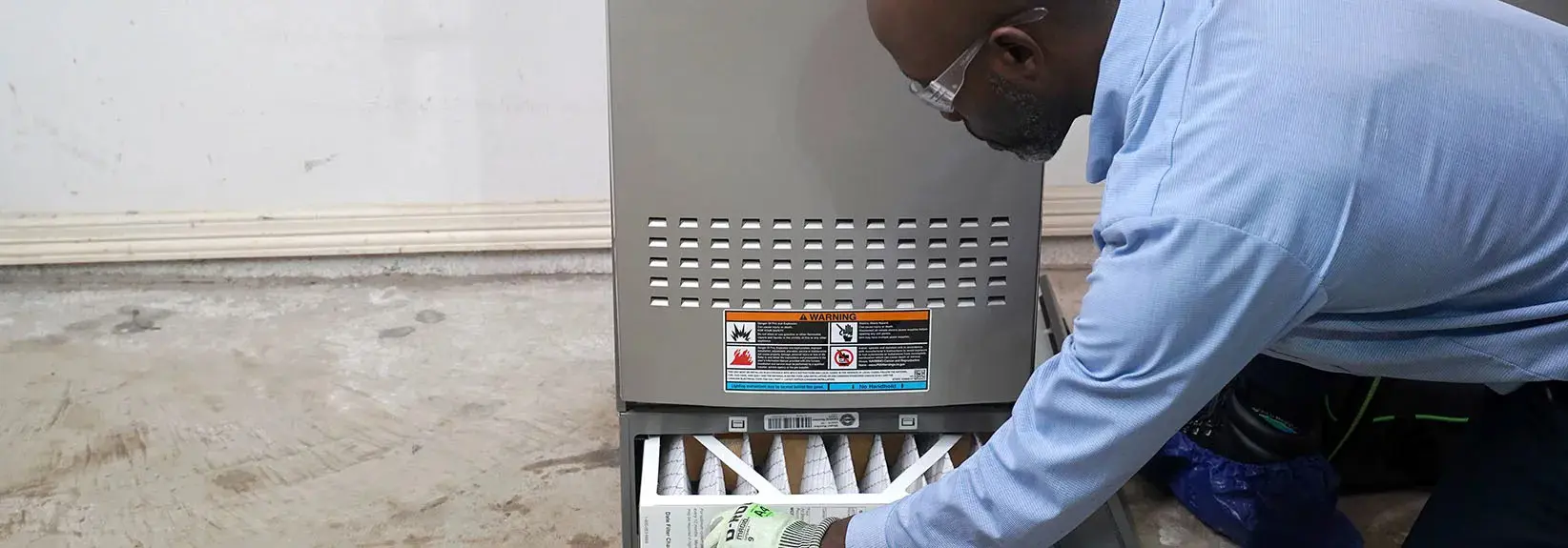
- Make an appointment for annual furnace maintenance to keep your heating system in peak condition.
- Set up a whole-house humidifier. Moist air feels warmer than dry air, so you feel more comfy at a lower temperature.
Make Your Home Warm in the U.S. with Service Experts
Nothing is more critical to the Service Experts team than your comfort and well-being. Our services can also help bring down home heating costs, which is good news for your pocketbook. With ACE-certified technicians at the helm, you can expect quick, long-lasting remedies to all your comfort needs. Our Service Experts Guarantee means that if you’re not totally happy with our services, you know we will make things right.
As a company that prides itself on innovation, customer engagement and community involvement, you can trust Service Experts to make a meaningful difference in your life and sense of comfort. For more details of what you can expect with heating prices in the U.S. or personalized tips to help lower your utility bills, reach out to the professionals at Service Experts. Call (866) 963-7996 today to learn more.