

Unblocking a plugged drain can be nasty work, so many homeowners resort to chemical drain cleaners to wash away the crud. Bottles of these chemicals are frequently found in cleaning cabinets, but are they truly safe? Dive into the world of chemical drain cleaners, see how they actually clear blockages and learn why they’re hazardous. Then, examine a few safer alternatives for cleaning clogged drains with no chemicals.
What are Chemical Drain Cleaners Used For?
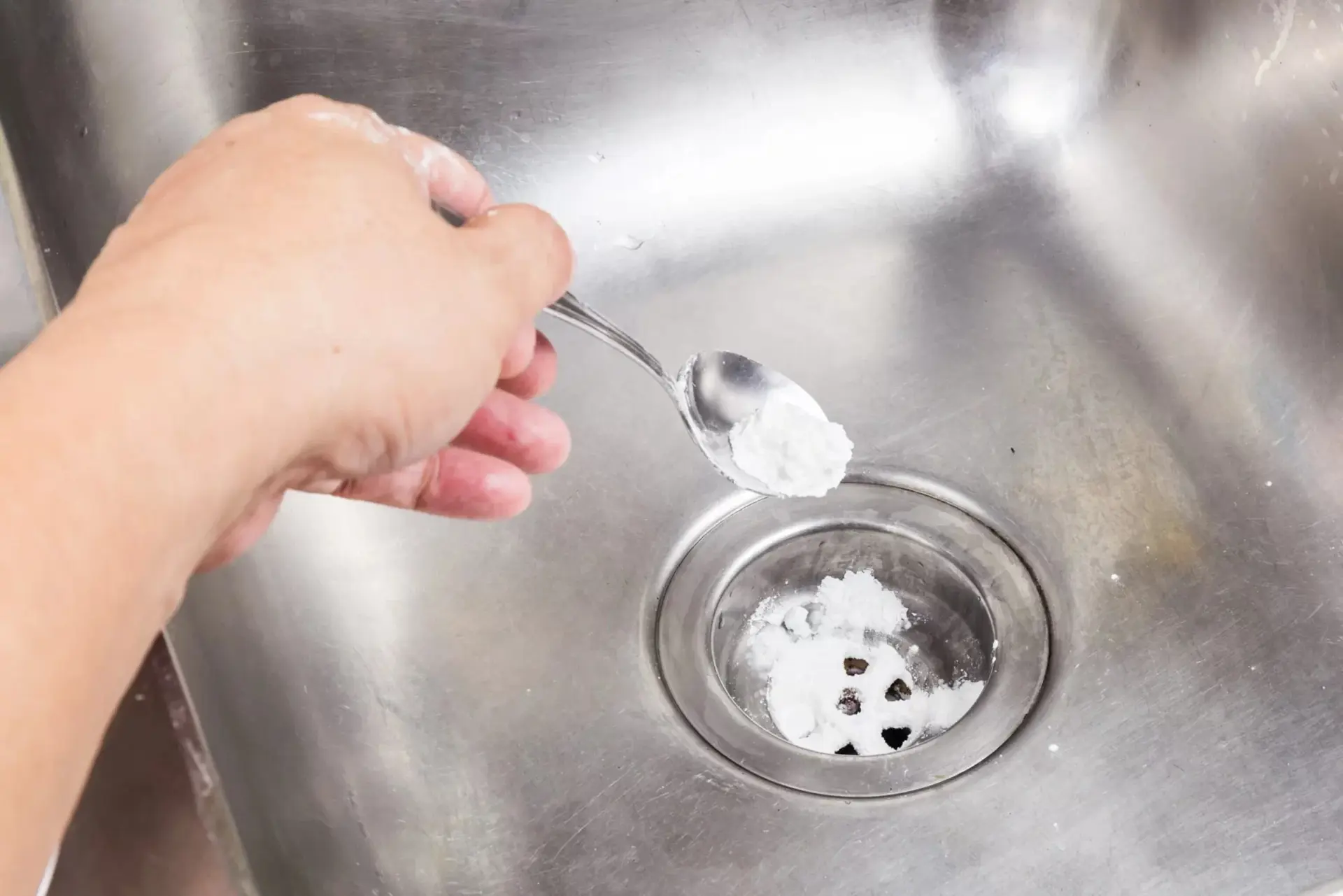
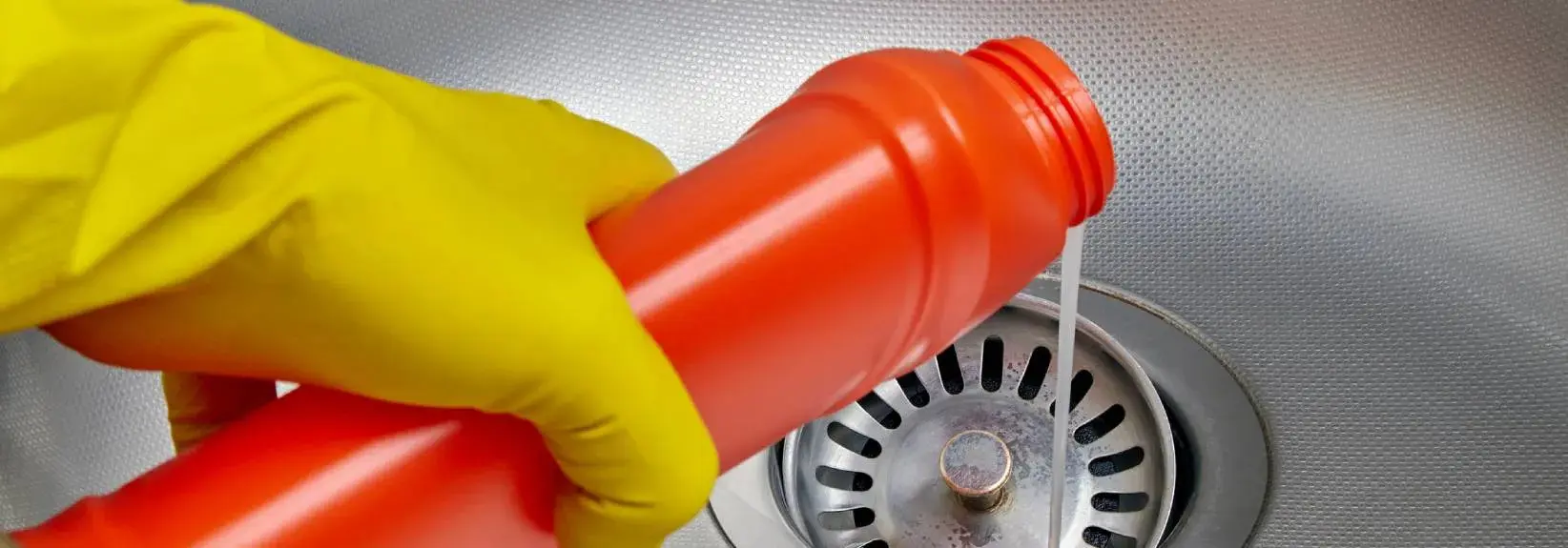
Chemical drain cleaners are primarily used for clearing plumbing blockages. They are often an attractive option for homeowners because they’re fast, simple to use and offer successful results—at least at first. These cleaners are available in liquid, gel or powder form and break down hair, grease, food and other substances blocking the drain. They are often advertised as an easy and simple solution to tackle persistent clogs and are sold at grocery stores, hardware stores and big box retailers.
How Do Drain Cleaners Work?
The precise reaction that happens within the pipes will depend on the type of drain cleaner being used. Here are several examples:
- Acidic drain cleaners contain sulfuric, muriatic or hydrochloric acid. This reacts with organic materials to produce heat and gas, dissolving the clog. Acidic cleaners are very successful against hair clogs but must often be used repeatedly or in high concentrations to do the job.
- Oxidizing drain cleaners contain bleach, peroxides or nitrates, which release oxygen when poured in the drain. Oxidation breaks down organic matter and removes blockages from the pipes while eliminating bacteria. Consequently, oxidizing cleaners work very well against easy-to-break-down substances like food.
- Caustic drain cleaners contain lye or potassium hydroxide, which creates heat to break down and dissolve materials in the drain. The caustic nature of these cleaners allow them to dissolve fat, grease and other organic materials.
- Enzyme drain cleaners don't have chemicals. Instead, enzyme drain cleaners break down organic material with bacteria or enzymes. However, they require more time to dissolve clogs than chemical drain cleaners because the bacteria or enzymes must have time to multiply. For this reason, enzyme drain cleaners are a good choice as a precautionary measure rather than a rapid drain-cleaning solution.
Is Drain Cleaner Safe?
Even though chemical drain cleaners are somewhat effective, they do pose risks. Here are a few key issues to consider:
- Chemical drain cleaner is not good for pipes. The heat generated by caustic and acidic drain cleaners can damage pipes, especially older or plastic ones, which can weaken and crack over time. Repeated use of these cleaners can lead to expensive repairs or replacements, as damaged pipes are more likely to leak or break.
- Chemical drain cleaner can injure people. The highly toxic compounds in drain cleaner can trigger respiratory issues if inhaled, severe burns if touched, blindness if rubbed into the eyes or digestive concerns if ingested. Therefore, drain cleaner must be utilized with great care.
- Chemical drain cleaner is bad for the environment. Pouring chemicals into the drain sends toxic substances to local waterways, disrupting ecosystems, harming aquatic life and causing other environmentally damaging effects.
Safer Alternatives to Drain Cleaner Chemicals
Luckily, chemicals aren’t the only solution for clearing blocked drains. Here are several safer possibilities to attempt:
- Dish soap and hot water: Adding hot, soapy water to a sluggish drain helps break up grease and washes away simple blockages. The soap acts as a lubricant and emulsifier, while the hot water dissolves and carries away the clog. This strategy may call for several attempts, but it’s safe and non-toxic.
- Plunger: This manual drain-clearing technique sends blockages from the pipe without the need for harmful chemicals. Fill the clogged sink or tub with an inch of water to help generate a tight seal on top of the drain opening. Then, make forceful, consistent plunging motions until the water goes away.
- Drain snake: Also called a plumber’s auger, this device features a flexible cable with a corkscrew on the end. When put into the drain, the snake physically breaks up and gets rid of obstructions. This method is very effective against persistent clogs without doing any damage to the pipes or creating any health risks.
- Hydro-jetting: This professional service uses high-pressure water to blast away debris and obstructions, providing a thorough cleaning that keeps future clogs at bay. Hydro-jetting requires a professional plumber’s assistance, but it’s the most effective, long-lasting option for even the toughest clogs.
Schedule Professional Drain Cleaning Services
While chemical drain cleaners offer a quick remedy for slight clogs, they present too many risks. Consider switching to safer, chemical-free alternatives to protect your pipes, your loved ones and the environment. If your DIY efforts don't work, turn to Service Experts for professional drain cleaning services in the U.S. We’ll get your drains flowing smoothly again and recommend tips to stop clogs from returning. Our plumbers are ready to help, so reach out to a Service Experts office near you today!