How Your Furnace Can Worsen Your Allergies
Have you ever caught when you turn on your furnace for the first time in the fall, you’re wheezing more often? While spring allergies seem to get a harsher reputation, fall allergies are still very typical and many people struggle with them. For some, fall allergies can be even worse than spring 8. Brisk temperatures weaken our immune systems and from starting up our heating. This might leave you considering, can furnaces make allergies worse in the U.S., or even trigger them?
While furnaces can’t lead to allergies, they sometimes make them worse. How? During the warmer months, dust, dander and other allergens can collect in heating ducts. When the winter temperatures begin and we turn our heat on for the first time, all those allergens are now distributed through the ventilation and travel through our houses. Fortunately, there are things you can do to stop your furnace from worsening your allergies.
How to Keep Your Furnace from Triggering Your Allergies
- Replace Your HVAC Filter. Frequently replacing your filters is one of the best tasks you can perform to minimize your allergies at any time of the year. New filters are better at snagging the allergens in your house's air, helping to keep you in better health.
- Freshen Up Your Air Ducts. Not only do pollutants harbor in your HVAC filters, but in your ventilation as well. An air duct cleaning may help reduce allergy symptoms and help your HVAC system run more efficiently. When you schedule an air duct cleaning, our experts review and clean components including your supply/return ducts and registers, grilles and diffusers.
- Keep Your Furnace in Good Working Condition. Proper HVAC maintenance and scheduled tune-ups are another good way to both boost your house's air quality and keep your system working as efficiently as possible. In advance of flipping your heating on for the first time, it can help to have an HVAC tech run through a maintenance examination to ensure your filters and air ducts are clean and everything else is in good condition.
Allergies and continuous illness can be frustrating, and it can be tough to learn what’s creating or aggravating them. Here are some extra FAQs, along with answers and suggestions that could help.
Is Forced Air Bad for Allergies?
Allergy sufferers are often told that forced air heating could irritate your allergies even more. Forced air systems can push allergens through the air, leading you to breathing them in more regularly than if you had a radiant heating system. While it’s true forced air systems may make your allergies not so good, that is only if you ignore care of your heating equipment. Other than the tasks we listed previously, you can also:
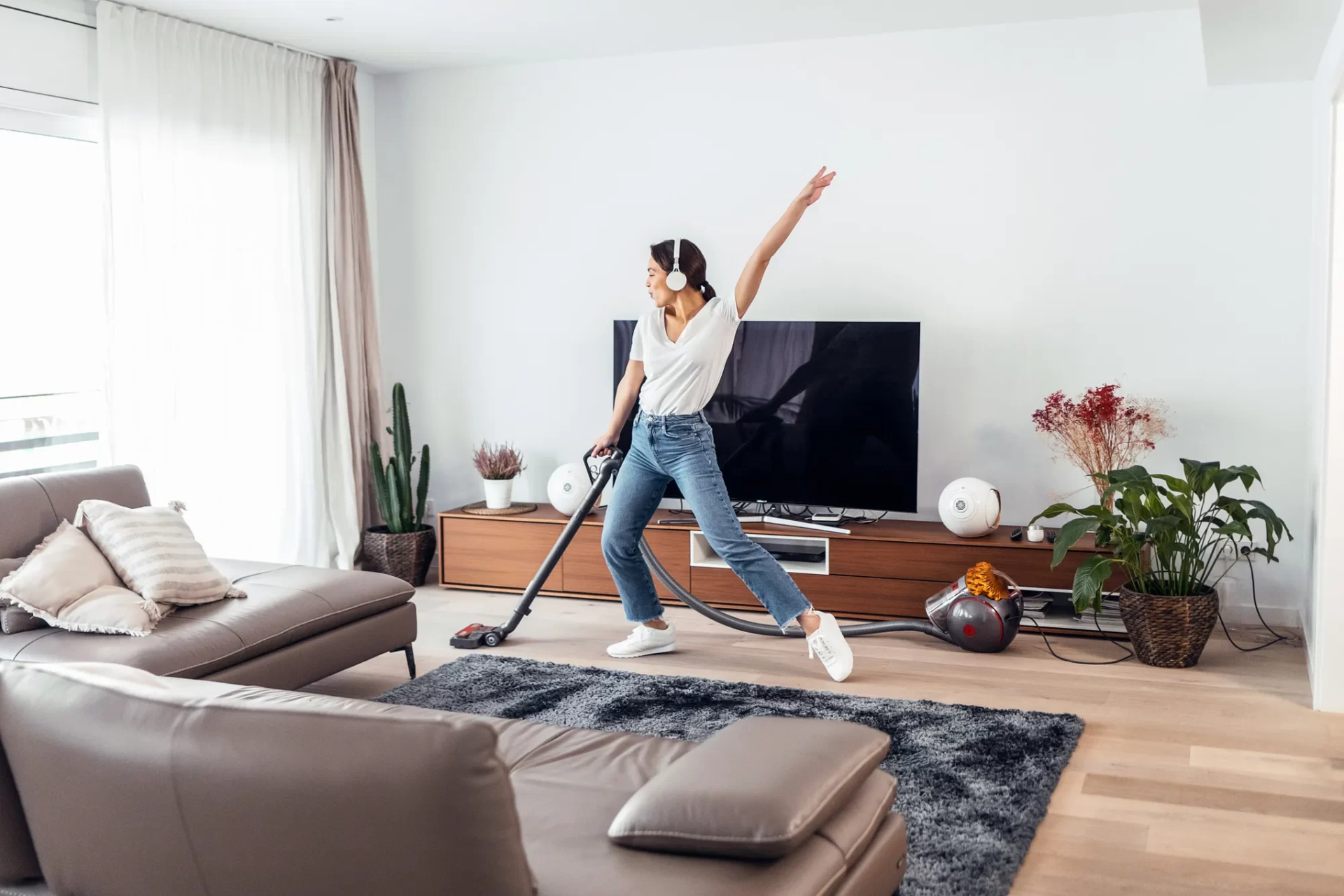
- Dust and vacuum your home often. If there aren’t dust, dander or mold spore particles to clog your air ducts, your air system can’t circulate them into the air, and you can’t inhale them. Some added cleaning tips are:
- Check your vacuum has a HEPA filter.
- Dust ahead of vacuuming.
- Clean your curtains routinely, as they are a typical hiding place of allergens.
- Remember to clean behind and under furniture.
- Keep an Eye on your house's moisture levels. Higher humidity levels can also contribute to the worsening of allergies. Humidity enables mold growth and dust mites. Adding a dehumidifier to your HVAC system keeps moisture levels balanced and your indoor air quality much healthier.
What is the Top Furnace Filter for Allergies?
Usually, HEPA filters are the best if you or someone in your household struggles with allergies. HEPA filters are rated to take out 99.97 to 99.99% of particles, like dust, pollen and dirt. These filters have a MERV rating of 17-21, depending on the kind. This rating reveals how successfully a filter can take pollutants from the air. Because of their high-efficiency filtration construction, HEPA filters are thick and can limit airflow. It’s helpful to contact Service Experts Heating, Air Conditioning & Plumbing to make sure your heating and cooling system can work correctly with these high-efficiency filters.
Can Dirty Filters or Air Ducts Make Me Sick?
Dirty filters can harbor particles and allow poor-quality air to circulate. This is also applicable for dusty ductwork. If you inhale these particles it can trigger sneezing, coughing or other asthma-related problems, depending on your sensitivity.
It’s smart to swap out your HVAC filter after 30-60 days, but here are some signs you could need to sooner:
- It’s taking more time for your system to cool or heat your home.
- You find more dust in your home.
- Energy costs are going up with no obvious reason.
- Your allergies are acting up.
- Signs your air ducts require cleaning include:
- The metal is sitting in dust.
- Filthy supply and return vents.
- Mold in your furnace, air conditioner, heat pump or air handler.
- Dust coming from your vents when your HVAC system is starting.
- Your home is frequently dusty, despite frequent cleaning.
Your health and comfort are our greatest priority at Service Experts Heating, Air Conditioning & Plumbing. Whether it’s furnace repair today.