.1).jpg.2508061052219.webp)
You probably don’t often think about your home’s air quality, but it deserves your attention. According to the Environmental Protection Agency (EPA), indoor air can be two to five times more polluted than outdoor air. This is obviously concerning, given that most Americans spend around 90% of their time indoors. Find out what’s lurking in your air, the associated health problems, and what you can do about it.
What Contributes to Poor Indoor Air Quality?
The air inside your home may seem clean, but plenty of culprits could be compromising it. Here are the usual suspects:
- Volatile organic compounds: VOCs are gases emitted by everyday items like paints, cleaning supplies, markers, and air fresheners. Breathing in VOCs like formaldehyde and benzene can cause eye irritation, headaches, nausea, and even chronic respiratory problems.
- Particulate matter: Particulate matter refers to tiny airborne particles like dust, dirt, soot, or smoke. Anything smaller than 2.5 micrometers in diameter can travel deep into your lungs and even enter your bloodstream. Common sources of particulate matter include burning candles, smoking, and cooking.
- Mold: Damp environments are breeding grounds for mold. Colonies release spores into the air, worsening allergy and asthma symptoms or leading to infections in people with weakened immune systems. If you notice a musty smell in your bathroom or basement, mold is probably trying to move in.
- Carbon monoxide: Known as the silent killer, carbon monoxide is a colorless, odorless gas often produced by faulty heating systems or poorly ventilated appliances. Prolonged exposure can cause dizziness, confusion, and even death at high concentrations.
- Radon: This naturally occurring radioactive gas seeps into your home from the soil. It’s the second leading cause of lung cancer after smoking in the United States. Since it’s undetectable without a radon test, many homeowners don’t even realize it’s a problem.
The Health Effects of Poor Indoor Air Quality
Your body can’t thrive in a polluted environment. Poor indoor air quality can lead to a range of immediate and long-term health issues, including:
- Respiratory problems: VOCs, mold spores, and particulate matter irritate the respiratory tract, leading to coughing, wheezing, and shortness of breath. Symptoms may be worse for children and people with asthma or allergies.
- Heart issues: Prolonged particulate matter exposure is linked to an increased risk of cardiovascular disease. Over time, these pollutants cause blood vessel inflammation, raising the risk of heart attack and stroke.
- Cognitive and neurological effects: Do you ever feel foggy or sluggish after a day indoors? Poor air quality may be to blame. Exposure to indoor air pollution is associated with headaches, dizziness, and difficulty concentrating. In extreme cases, long-term exposure may even increase the risk of neurological diseases like Parkinson’s and Alzheimer’s.
- Cancer risks: As previously mentioned, radon exposure is a significant risk factor for lung cancer. Meanwhile, VOCs are classified as carcinogens, with prolonged exposure increasing your risk of developing various cancers.
Steps to Improve Indoor Air Quality
The potential health effects of poor indoor air quality can be severe. Fortunately, there are plenty of ways to breathe easier at home:
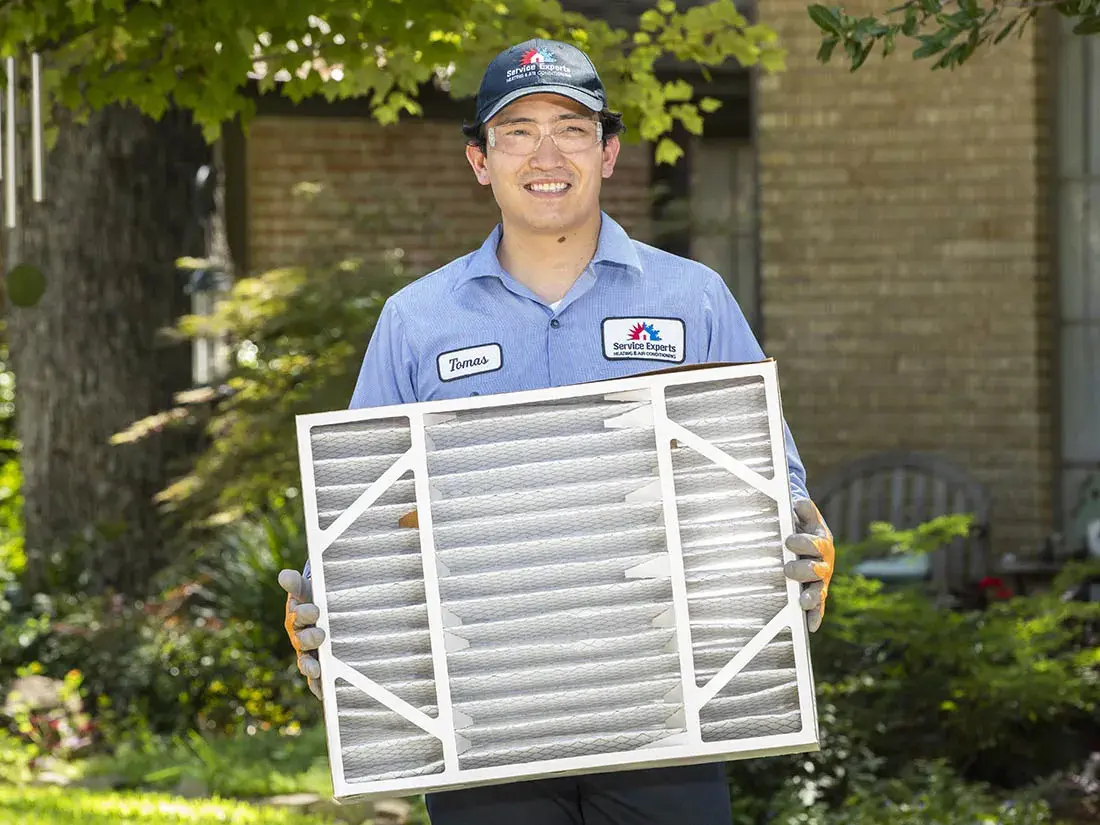
- Upgrade your HVAC filter: A high-efficiency air filter removes airborne allergens and pollutants. Look for a minimum efficiency reporting value (MERV) of 6 or higher for the best results. Then, check your filter monthly and change it when you notice it getting dirty. This will give you the best airflow and air quality.
- Put in a germicidal UV light: Microorganisms like viruses and bacteria are too small for air filters to catch, but they can’t bypass the germicidal effects of a UV lamp in your ductwork. This addition to your HVAC system slows the spread of germs around your home, decreasing the risk of getting sick and helping you recover from illnesses faster.
- Install a humidifier and dehumidifier: Too much humidity encourages mold growth, while too little leads to dry skin, irritated sinuses, and static shock. A whole-house humidifier and dehumidifier work in tandem with your HVAC system to maintain an indoor humidity level of 30% to 50% year-round.
- Ventilate your space: To prevent stagnant indoor air, open windows when possible, especially while cooking or cleaning. Running the exhaust fan in the kitchen and bathroom also helps remove moisture and pollutants. However, the most effective option is to install a whole-house heat or energy recovery ventilation system.
- Test for radon and carbon monoxide: Simple test kits can detect these invisible hazards. If levels are high, take immediate action by installing a radon mitigation system or fixing your malfunctioning furnace.
- Use natural cleaning products: Ditch the harsh chemicals and switch to plant-based or fragrance-free cleaning supplies to minimize VOC emissions. As a bonus, you’ll know you’re making an environmentally friendly choice, too.
Let Us Help You Breathe Easy
Service Experts doesn’t just fix HVAC systems—we make your home a haven with fast, long-lasting solutions backed by a Service Experts Guarantee. Expert service is right in our name, so you can expect a meaningful difference in your life and sense of comfort. Contact Service Experts to start enjoying cleaner, healthier air.