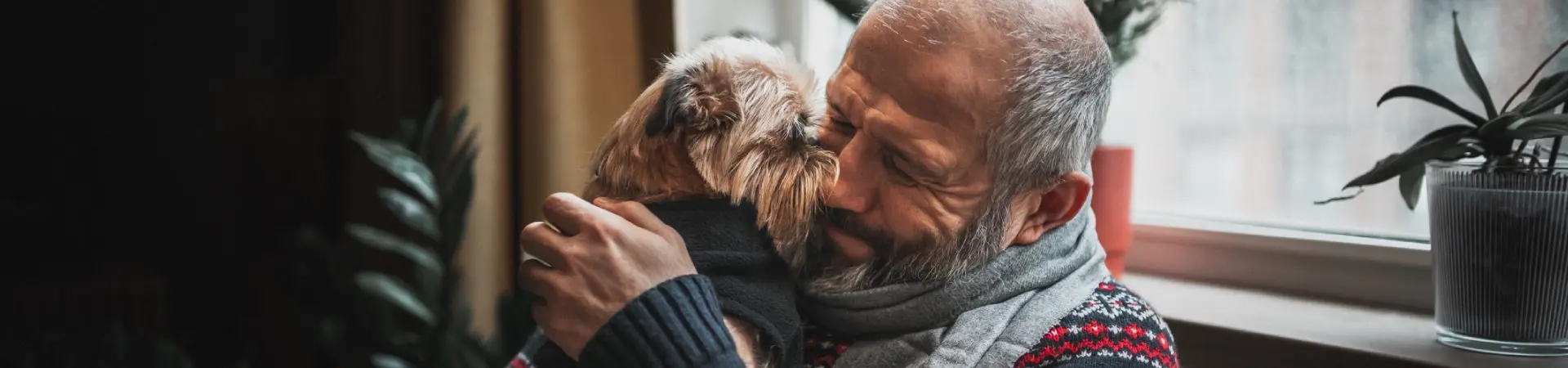

Based on the American Pet Products Association’s 2024 National Pet Owner Survey, more than 82 million households have pets. The largest number of these cuddly family members are cats, dogs and other animals who will shed or release dander into their homes. While it's a joy to have a dog or cat, you'll want to take a few extra steps to keep your HVAC system running properly. Here are seven tips to follow for pet-friendly HVAC maintenance:
1. Replace Your Air Filter Frequently
The quality of your indoor air depends on the working condition of your air filter since it pulls dust, dander and allergens from the air. With pets, you might need to replace it sooner.
“It starts with checking the filter more regularly,” said Jim Hughes, Director of Field Training with Service Experts, one of the nation’s largest HVAC service and repair companies. “For instance, if you have a filter that’s supposed to last three months, you might want to check it every month. Pets can clog up the air filter much faster, particularly when your HVAC system runs most often.”
2. Look into Upgrading Your Air Filter
You should also think about getting a higher-rated air filter. Find the Minimum Efficiency Reporting Value (MERV) to learn the smallest particle size your air filter will trap. For residential use, filter ratings range between five and 13, with higher numbers providing better filtration. Consider at least a nine or higher to effectively filter out dander, Hughes added. A few pet owners sometimes upgrade to a high-efficiency whole home ventilation and air purification system.
3. Keep the AC's Condenser in the Best Possible Shape
The AC unit, particularly the outdoor unit, should be cleaned as part of a comprehensive HVAC tune-up. These condensers have coils/heat exchangers that collect their share of dirt and debris each year. Unfortunately, pets may urinate on the outdoor unit, and if they are around it often enough, their fur may get pulled into the coils and clog them up.
“The acidity in pet urine will damage the AC coils and possibly lead to a refrigerant leak,” he said. “And too much hair in the condenser will lower the system's efficiency.” If necessary, add a small fence around your outdoor unit, but make sure airflow isn't blocked, Hughes suggests.
4. Maintain a Regular Grooming Schedule for Your Pet
By brushing your cat or dog regularly, less hair will enter your HVAC system. “I suggest using a vacuum brush to from their pets. This way you aren't releasing the hair or dander you’re brushing off into the home,” Hughes said.
5. Vacuum More Often and Clean Your Return Vents
Running the vacuum more often can limit the amount of hair and dander making its way into your system. While you're already vacuuming, it's also a good idea to vacuum the return air vents. The location of return air vents varies according to your home's layout. Regardless, your home will always have return air vents and supply air vents. Return air vents draw in air and then filter and recirculate it throughout your home using the supply air vents, so some extra vacuuming is another layer of protection against unwanted dust, dander and hair.
6. Get an HVAC Checkup Biannually
Your HVAC system should be serviced by a professional technician two times each year to make sure everything is working properly, and this is doubly so for homes with pets. Once the technician comes to your home, ask if there are other preventive steps to take to keep your system running smoothly.
“The visiting technician is an extra set of eyes for you to see how your pets are impacting the system,” Hughes said. “A tune-up is the perfect time to build an important relationship that promotes your HVAC system's long-term health.”
7. Look into Professional Air Duct Cleaning
When your HVAC system's air filters become clogged, dust and common allergens can leak into the ducts, causing more trouble with your home's air quality. If pet hair and dander still isn't under control, you might want to consider professional duct cleaning services.
“I know some pet owners who have their ductwork cleaned every few years. For pet owners, it can be a smart investment,” Hughes said.
To learn more about keeping indoor air quality high as a pet owner, request a professional HVAC tune-up today.