

When contemplating home improvements, the question of whether you should insulate interior walls often arises. If you’re curious if your interior walls are insulated and whether it’s worthwhile to add insulation if they’re not, the information below can help you decide.
Are Interior Walls Usually Insulated?
Usually, the answer is no. Interior walls are frequently left uninsulated during construction because the energy efficiency benefits aren't as great as insulating exterior walls, floors and ceilings. State and local codes don’t call for interior insulation, so usually only in interior walls if the homebuyer specifically asks the builder to include it. If you weren't included in the building process, assume your home’s interior walls are not insulated.
Is Insulating a Home's Interior Walls Worth the Expense?
There are several reasons homeowners might insulate their interior walls:
- Energy efficiency: Insulating interior walls helps maintain a stable temperature in all areas of your home, enhancing comfort and reducing the strain on your heating and cooling system.
- Soundproofing: When you put insulation in your home's interior walls, you dramatically reduce the amount of sound going from room to room. This is particularly ideal for creating a quieter and calmer atmosphere for a home office or nursery. It also helps contain the noise from a music room or home theater to avoid bothering family members in other rooms.
- Moisture protection: Certain varieties of wall insulation can be a moisture barrier, preventing the buildup of dampness inside the walls of high-humidity spaces, such as kitchens, bathrooms and laundry rooms. Making sure these walls stay dry cuts down on the risk of mold, which can compromise indoor air quality and your home’s structural integrity.
- Fire protection: Some insulation materials are fire-resistant, providing an extra layer of safety. In the event of a fire, insulated interior walls slow the spread of flames, giving you and your family more time to get out of the home and potentially saving your property from considerable damage.
What Variety of Insulation Is Ideal for Interior Walls?
The right material for your interior wall insulation project depends on your specific needs and goals. Here are several types to consider:
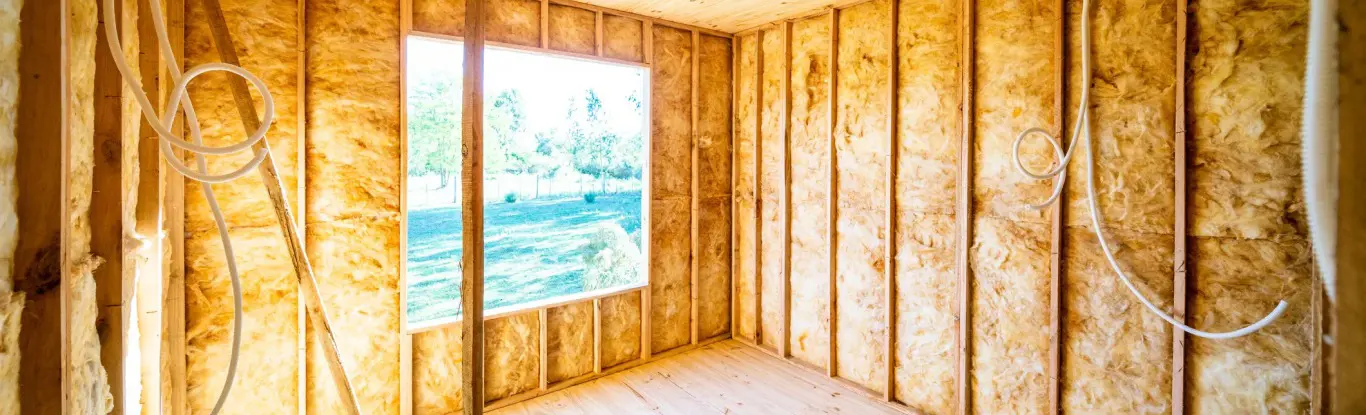
- Loose-fill insulation is ideal for walls that are already built, as it can be blown into wall cavities through small openings that are very easy to patch afterward. Because this doesn't require extensive renovation, you keep the cost and construction-related headaches to a minimum.
- Spray foam insulation expands to fill cavities, cracks and gaps, making it great for irregular spaces or next to obstructions. It also features excellent thermal properties and is a good way to add soundproofing to your home. Spray foam is a fantastic choice if you’re building new interior walls, although it typically is more costly.
- Fiberglass batts are a common, cost-effective choice that are easy to install in new construction or home improvement projects where walls are unfinished and still open. They have effective thermal performance but require careful installation to avoid gaps.
- Mineral wool is denser than fiberglass, and as a result is a even better option for fire resistance and soundproofing.
- Rigid foam board offers high insulation values in thin profiles, making it useful for new construction or significant renovations that involve thin interior walls. But bear in mind, it requires walls to be open for installation.
Other Methods to Increase Home Efficiency
Although insulating interior walls is beneficial in several ways, it doesn’t do a lot to reduce your utility bills. If efficiency is your main focus, try these improvements to get better results:
- Install additional attic insulation: This is the most effective location to add insulation to a finished home. A nice, deep layer of attic insulation stops heat from escaping in the winter and getting in through the ceiling when it's hot outside.
- Stop air leaks: This requires identifying and fixing leaks around doors, windows and other openings in exterior walls to prevent warm or cool air from escaping. Caulk, weatherstripping and expanding spray foam are the best tools for the job.
- Install double-pane windows: If your home still has old, single-pane windows, consider upgrading to double-pane models for more insulation. This is an up-front expense but helps keep your home warmer in the winter and cooler and more comfortable in the summer.
- Install a smart thermostat: Thermostats with learning capabilities can adapt your home’s temperature to complement your habits and preferences, optimizing energy use and reducing your utility bills.
- Replace old HVAC equipment: A new, energy-efficient furnace and air conditioner requires less energy to heat and cool your home than older less efficient equipment.
Bringing Comfort and Efficiency Home
Service Experts can assist with many of your home renovation plans. If it’s related to HVAC, plumbing or electrical, our experienced team can help! The ACE-certified technicians at Service Experts provide prompt, long-lasting solutions with guaranteed results. If you’re not completely happy with our workmanship, we vow to make it right. For inspiring solutions and expert service customized for your distinct needs, phone today to reach the team at Service Experts.