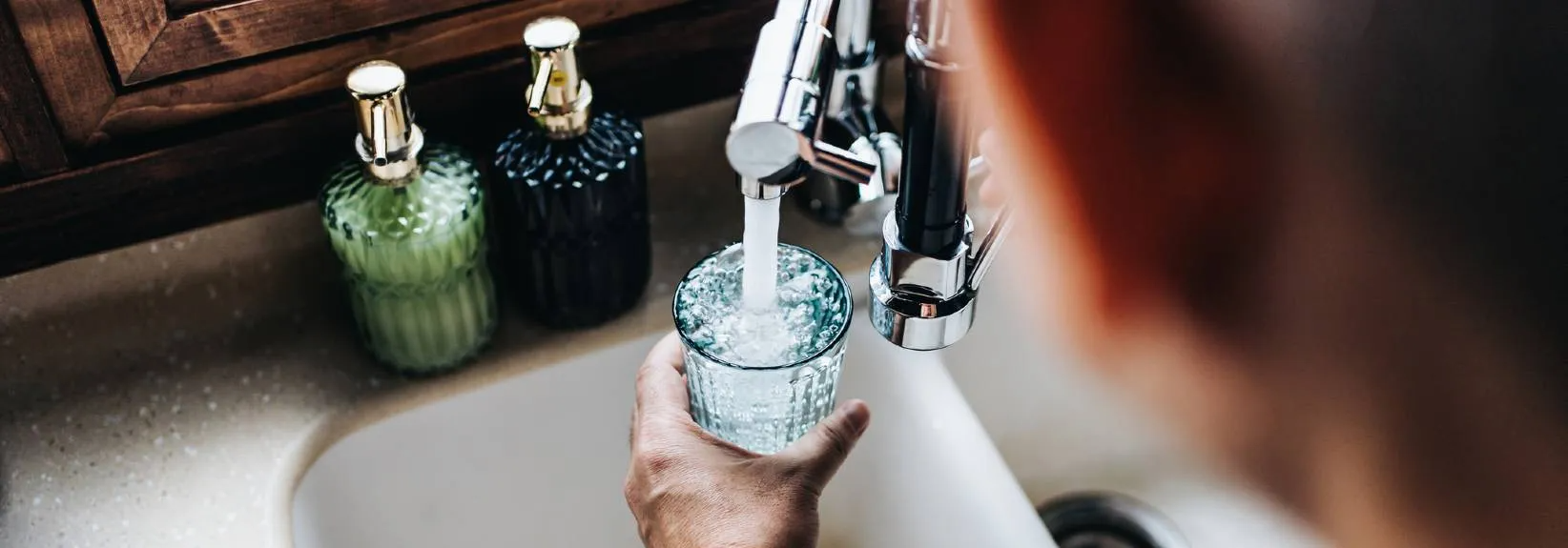


Saving water and energy is a wise and responsible move for your finances and the environment. Low-flow plumbing fixtures provide an effective solution to lower water consumption without compromising performance. Find out about the perks of low-flow fixtures, how they differ from traditional models and practical tips to conserve even more water in your daily routine.
How Much Water Do Low-Flow Fixtures Use?
Low-flow plumbing fixtures first started gaining traction in the 1990s. The shift was particularly driven by increased awareness of water conservation concerns and our environmental footprint. The Energy Policy Act of 1992 required maximum flow rates for faucets, showerheads and toilets in the United States, encouraging the widespread adoption of low-flow fixtures. This legislation paved the way for more efficient fixture designs aimed at reducing water consumption while retaining performance.
Consider how much water low-flow fixtures save compared to their older counterparts:
- Faucets: Older faucets flow at about 2.2 gallons per minute (gpm), whereas low-flow faucets cut this down to 1.5 gpm or less without reducing water pressure.
- Showerheads: The industry standard for showerheads was 2.5 gpm. Today's showerheads reduce water use to 2.0 gpm or lower.
- Toilets: Old toilets may use up to a maximum of 7 gallons per flush (gpf). In contrast, the current federal standard maximum is 1.6 gpf, with many dual-flush models needing as few as 1.28 gpf.
The Technology of Low-Flow Plumbing Fixtures
Low-flow fixtures have several ways to maintain performance while using less water. Here’s how they do it:
- Aerators: Many low-flow faucets and showerheads utilize aerators, mixing air with water to retain pressure while still cutting down on the volume of water needed.
- Flow restrictors: Faucets with these devices control the amount of water that passes through the fixture without a noticeable drop in pressure.
- Dual-flush technology: More low-flow designs offer two flush options—one for liquid waste using less water, and a fuller flush for solid waste. This further controls water use based on need.
Key Benefits of Eco-Friendly Plumbing Fixtures
Switching to low-flow faucets, showerheads and toilets enhances your plumbing's efficiency in a number of ways:
- Reducing water waste: The EPA’s Water Sense program calculates that you can save 700 gallons of water per year by swapping the old faucets in your home with new, low-flow versions.
- Slashing water bills: Low-flow fixtures can cut your monthly utility bills by using less water. As a matter of fact, a WaterSense-labeled showerhead can save 4 gallons of water whenever you shower, which can really add up in the long run.
- Lower water heating costs: Using less water to shower, cook and clean means you also use less hot water, which means another boost to your savings by lowering hot water costs.
- Extended plumbing system life span: Reduced water flow means there's a much smaller load on your plumbing system, possibly lengthening its life and reducing the need for repairs.
Tips on How You Can Save Even More Water
While these water-saving fixtures make a big difference on their own, you can go further to conserve water whenever you use the plumbing. Here are some useful suggestions:
- Take fast showers: Even once you've installed low-flow showerheads, you still use more water when you stay in too long. Speeding up your shower time by a minute or two conserves water and reduces energy use.
- Turn off the water whenever you brush your teeth: Try and only leave the tap running if you’re actively using it. If you step away from the sink or take a couple of minutes to actually brush your teeth, shut off the faucet to conserve water.
- Use dual-flush toilets appropriately: The dual-flush design only works for you if everyone at home knows how to use it. Start with the half-flush button for liquid waste and only press the full flush for solid waste. Some handle-flush toilets also have dual-flush functionality. A quick flush uses less water, while holding down the handle releases the standard amount of water to remove solid waste more thoroughly.
- Don't flush trash: Toilets are exclusively designed to handle toilet paper and human waste. Flushing anything else needlessly wastes water and increases the risk of a clog forming. Do your plumbing a favor by only tossing facial tissues, paper towels, cotton balls and feminine hygiene products in the garbage.
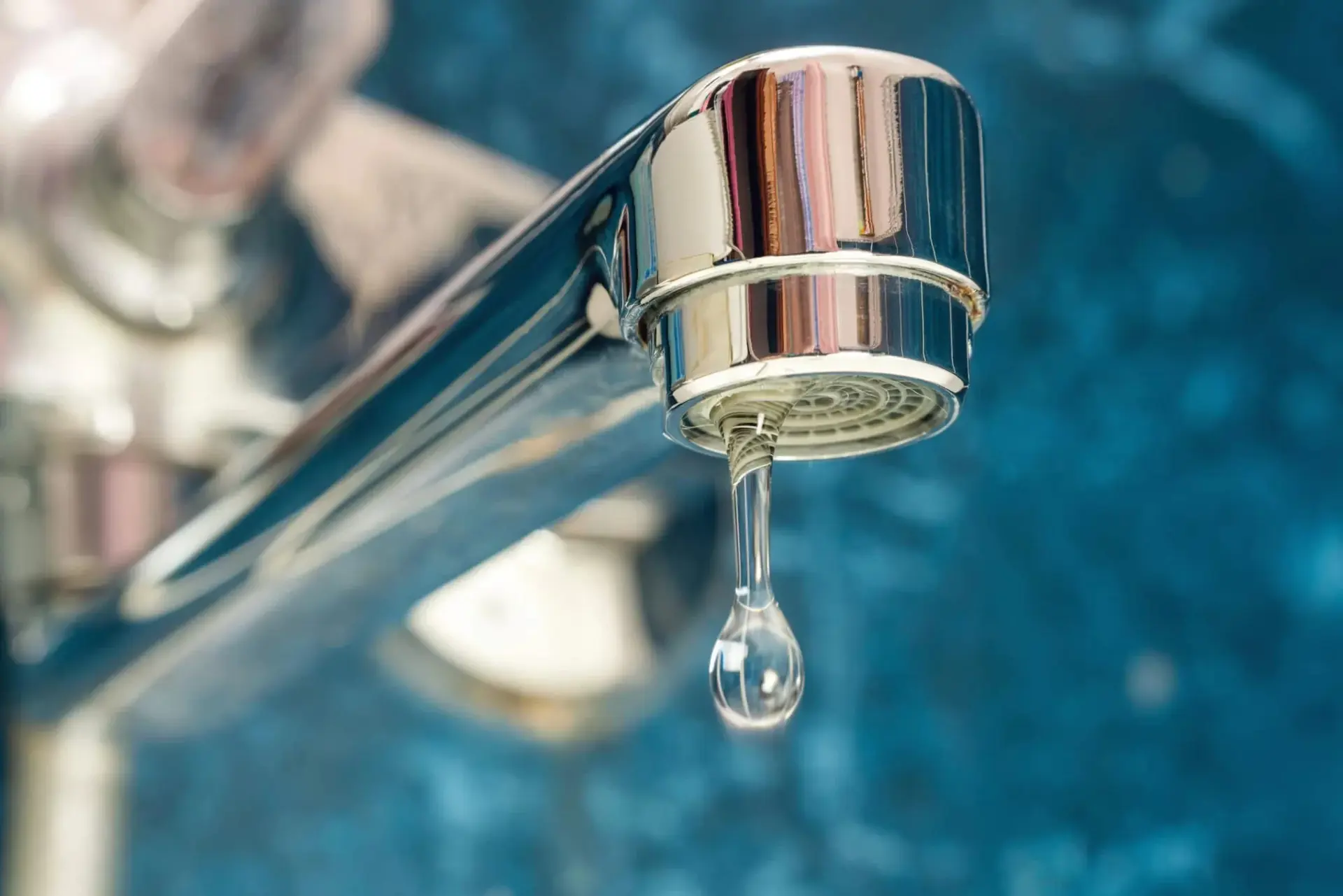
- Fix leaks promptly: Even low-flow fixtures may leak, wasting water and lowering efficiency. Set aside some time now and then to check for leaks and resolve any you find to limit any downtime to your water conservation efforts.
Upgrade to Low-Flow Fixtures Today
Are you ready to reduce your water usage and increase savings? Service Experts is here to help! We install high-performance low-flow faucets, showerheads and toilets to encourage water and energy conservation. With our Service Experts Guarantee, you can depend on us to deliver the exceptional products and services you deserve. When you’re ready to upgrade your plumbing fixtures or would like more water conservation tips, please contact us today.