

A leaky house is significantly less energy efficient than a correctly sealed one. Being familiar with how to find air leaks in your house, sealing those leaks and scheduling a home energy assessment when necessary can help you create a relaxing living environment and decrease your energy bills.
Detecting Air Leaks from Inside Your Home
Start your air leak inspection on the interior. Here are four reliable techniques for locating air leaks in your house:
- Conduct a comprehensive visual inspection, looking for gaps and cracks in and around windows, doors, electrical outlets and baseboards. Pay special attention to the corners of rooms, because gaps can frequently be found there.
- Put your hand near potentially leaky places on a cold or windy day. If you feel a draft, you’ve found an air leak.
- Complete a smoke test by lighting an incense stick or smoke pen. Then, slowly move it near the edges of windows, doors and other potential problem areas. If an air leak is occurring in this location, the smoke will blow around or get sucked into the gap, showing the location of a leak. The smoke test is most effective when conducted on a windy day.
- Use an infrared thermometer or thermal camera to identify temperature differences around your home. These devices help you locate rooms with major temperature variations, which often are caused by air leaks.
Detecting Air Leaks from Outside Your Home
Studying the outer structure can also expose potential leaks. Here are two methods for discovering air leaks from the outside:
- Perform a visual examination, paying close attention to corners and places where different materials meet. Search for gaps or cracks that could create air leaks, as well as deteriorated caulk or weatherstripping and improperly sealed vents and exhaust fans.
- Conduct the garden hose test on a cool day. This is where someone sprays water from a garden hose onto the exterior while another person stands inside near a suspected air leak. If there’s a leak, the person inside should feel cold air or moisture entering through the gap.
Sealing Air Leaks
After pinpointing major air leaks, it’s time to handle the issue. Here are the best strategies for sealing air leaks in your home:
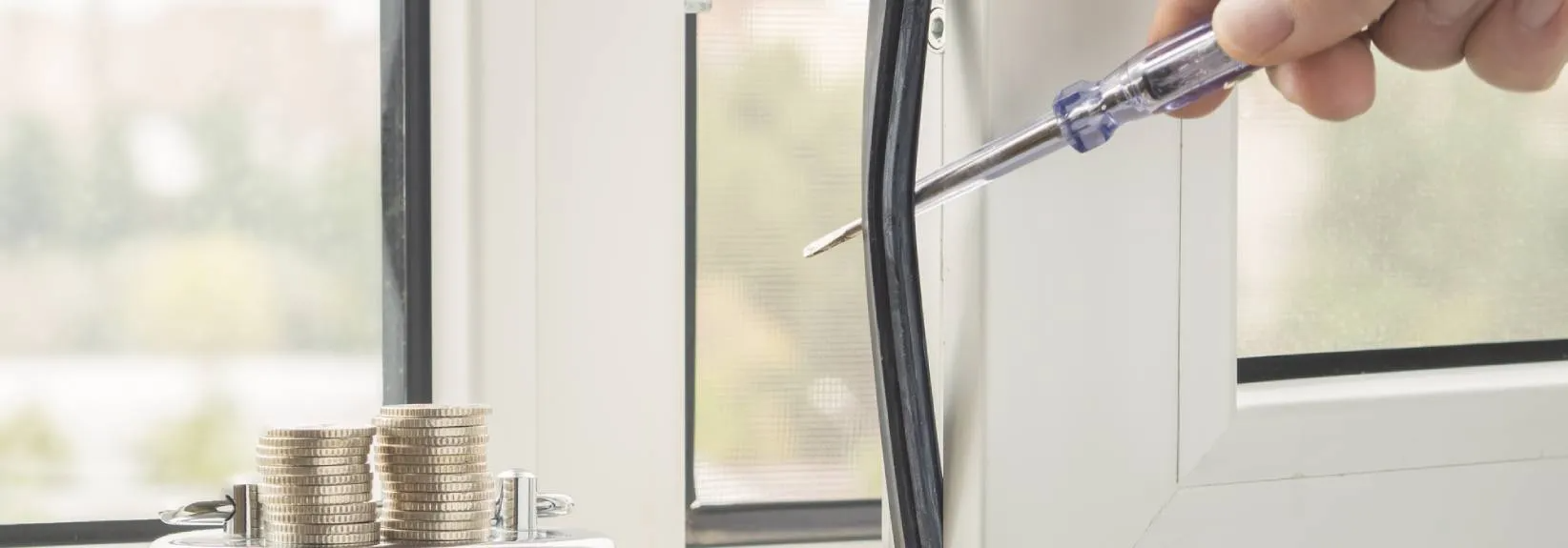
- Use caulk to seal small gaps and cracks around windows, doors and other areas where air is leaking out. Pick a high-quality, long-lasting caulk created for indoor or outdoor use and the specific materials you are trying to seal to ensure a durable seal. Follow the manufacturer’s instructions for correct application and curing time.
- Apply weatherstripping to doors and windows to help them close tightly. Different kinds of weatherstripping are sold in stores, such as adhesive-backed foam tape, V-strip and door sweeps. Pick the correct style for your needs and follow the installation guidelines.
- Use expanding foam to fill and seal more substantial gaps and holes. Expanding foam comes in a can with a spray applicator for simple application in hard-to-reach spots. Wear protective gloves and stick to the manufacturer’s directions to make sure you use them carefully.
- Install insulation to newly sealed walls and attic floors to further minimize heat transfer. Even when you already have some insulation, consider upgrading to a higher R-value or adding more insulation where your current level is inadequate.
- Put door sweeps along the bottom of external doors to prevent drafts. Door sweeps are sold in various materials and styles to suit your requirements and aesthetic preferences.
Considering a Comprehensive Home Energy Assessment
A home energy assessment is valuable for identifying hidden air leaks and identifying areas of improvement. A professional energy auditor does this inspection, which involves the following:
- A blower door test entails setting up a temporary door with a sturdy fan over an exterior door opening. The fan pulls air away from the house, lowering the interior air pressure and pulling in outside air through unsealed openings. This test measures your home’s air tightness and makes thermal camera images show leaks more clearly.
- Infrared imaging helps the energy auditor locate temperature inconsistencies in the walls, floors and ceilings, revealing hidden air leaks and insulation gaps.
- A combustion safety test makes sure your home heating system, water heater and other combustion appliances are operating safely and effectively, reducing the risk of potentially deadly carbon monoxide buildup.
- A homeowner interview is when the energy auditor analyzes your energy usage habits, home maintenance history and comfort challenges to spot additional energy-saving opportunities.
Schedule a Comprehensive Home Energy Assessment
While carrying out your own air leak tests is an excellent launching point, talking everything over with a professional is far more thorough. Service Experts can help you improve your home’s air tightness with a detailed home energy assessment and tailored solutions to maximize efficiency and comfort.