

Is your toilet running? No, this isn’t the start of a prank call—it’s a real plumbing problem that can waste water, drive up your bill, and test your patience. A constantly running toilet is among the most common household annoyances, but luckily, it’s also one of the easiest to fix. The trick is figuring out what’s causing the issue in the first place.
1. The Toilet Handle Is Stuck
Sometimes, the handle gets stuck in the flush position, which keeps the flapper open and allows water to keep flowing into the bowl.
To fix this, press the handle partway a few times to see if it releases. If that works but keeps happening, remove the tank lid and check the internal parts. You might notice that the handle mechanism is worn out. Replacing it is a simple, inexpensive fix.
2. The Flapper Is Warped or Cracked
The flapper is a rubber valve at the bottom of the tank that lifts when you flush, allowing water to rush into the bowl. If you hear a constant hissing sound or notice that your toilet flushes itself occasionally, the flapper is likely the issue.
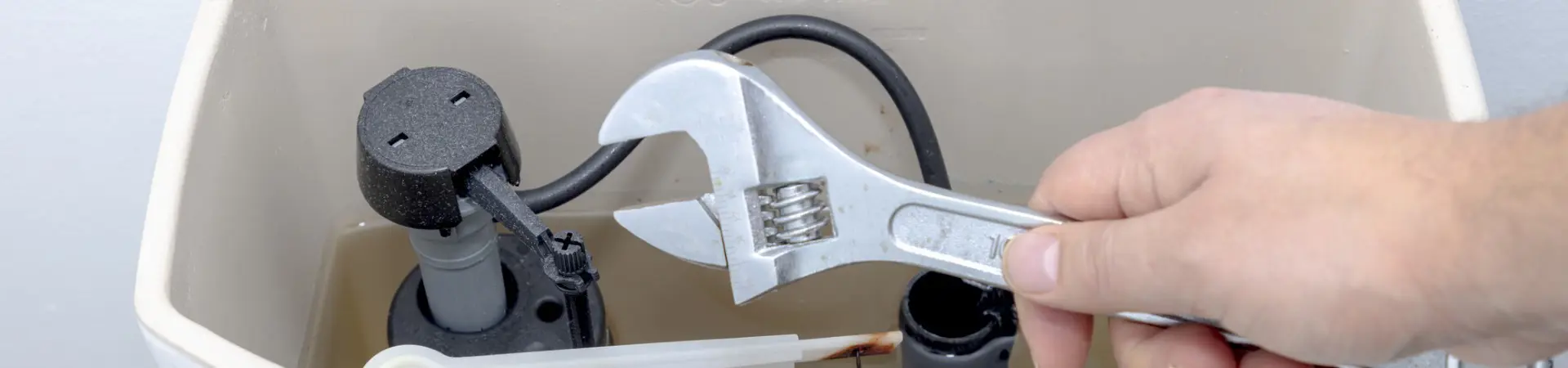
To fix it, turn off the water supply, flush to empty the tank, and remove the old flapper. Take it to the hardware store to find a matching replacement, then install the new one by hooking it onto the overflow tube and connecting the chain. Give the chain a little bit of slack—too much or too little can cause problems.
3. The Flapper Chain Is Too Short or Tangled
If the chain that connects the toilet handle to the flapper is too short, it will keep the flapper slightly open. But if it’s too long, it might get stuck under the flapper, which is also problematic.
Adjust the chain so there’s about one-half inch of slack when the flapper is closed. This ensures the flapper seals properly but still lifts fully when you flush.
4. The Float Is Misadjusted
The float ball or float cup stops the water flow when the tank is filled to the proper level. If the float is set too high, water will keep running into the overflow tube, never allowing the toilet to stop filling.
Adjust the float height so the water level sits about an inch below the top of the overflow tube. In older toilets with a ball float, bend the metal rod downward slightly. In modern toilets with a float cup, move the float to the correct position using the adjustment screw or clip.
5. The Fill Valve Is Leaking
The fill valve controls water flow into the tank. If it’s faulty or worn out, it might allow water to flow continuously.
Open the tank and inspect the fill valve (the tall mechanism on the left side). If you see water constantly leaking from it, it’s time for a replacement. Turn off the water supply, remove the old valve, and install a new one according to the instructions.
6. The Water Pressure Is Too High
High water pressure can cause plumbing problems, including a constantly running toilet. Too much pressure prevents the fill valve from shutting off completely, leading to continuous water flow.
Install a pressure-reducing valve where the main water line enters your house to protect your toilet and extend the life of all your plumbing fixtures.
7. The Overflow Tube Is Cracked
The overflow tube prevents your toilet tank from overflowing by directing excess water into the bowl. If this tube is cracked, water may leak constantly.
Check the overflow tube for cracks or damage. If it’s broken, you’ll need to replace it. This usually involves replacing the entire flush valve assembly, which you can do yourself or leave to a plumber.
8. Sediment Is Interfering with Toilet Components
If you have hard water, mineral deposits may build up inside your toilet tank. These deposits affect the performance of the fill valve, flapper, and other parts.
Clean the toilet tank regularly to prevent buildup. If you notice white or rust-colored deposits, soak the affected parts in vinegar for a few hours. You may need to replace the affected components if the deposits are severe.
9. The Toilet Is Old and Needs an Upgrade
Sometimes, constant running is a sign that your toilet is simply too old. Parts wear out over time, and replacing them one by one may not be the most cost-effective solution.
If your toilet is over 15 to 20 years old and constantly needs repairs, upgrading to a new, water-efficient model can save you money in the long run.
Expert Help When You Need It
If you’ve tried these fixes and your toilet is still running, it’s time to call a plumber. Service Experts delivers fast, reliable solutions to all your plumbing woes. We stand by our work, so if you’re not completely satisfied, we’ll make it right. Contact a Service Experts location near you, and let’s tackle that constantly running toilet together!