


Are you excited to be a new homeowner? Congratulations! It’s a relief to own your home and not have to deal with a landlord. Still, homeownership comes with lots of new responsibilities. For one, you are now accountable for keeping the pipes and plumbing fixtures in good working order.
The last thing you want is to deal with a plumbing issue just after moving in, so it’s sensible to make sure everything is squared away before closing day. Here are eight valuable plumbing tips every new homeowner should be familiar with.
1. Consider a Plumbing Inspection
Once you settle on your dream home, it’s smart to schedule a professional plumbing inspection. This can reveal previously hidden issues with the supply lines, fixtures, appliances and drains you may not have noticed. Poor water pressure or a slow toilet leak won't always be a deal-breaker, but it’s nice to clear up these problems before moving in.
2. Try to find any Pipe Insulation
The pipes could freeze and burst if they’re exposed to cold temperatures. No new homeowner wants to deal with that, so inspect all exposed pipes before you move in. If the pipes aren’t insulated, this low-cost upgrade is a valuable preventive measure for frozen and burst pipes.
3. Locate the Main Water Shutoff Valve
Turning off the water to your house can greatly reduce property damage if you have to deal with a major emergency such as a burst pipe. But you must first know where the valve can be found.
If your home has a basement or crawl space, the shutoff valve is probably placed on a wall along the front of the house. If the building is on a slab foundation, take a look in the garage or near the water heater.
Still no luck? The shutoff valve is occasionally located in a utility box buried near the street. Search for a round or rectangular metal cover close to the grass or sidewalk. It may be labeled “water meter” to help you identify it.
If you still can’t track down the primary water shutoff valve, call a plumber for help locating it before you have an emergency.
4. Find Individual Shutoff Valves
Along with the main shutoff valve, most fixtures and appliances should have dedicated valves on the wall behind them. This allows you to shut off the water while working on repairs or to minimize damage during an emergency. Familiarize yourself with the location of these valves when you buy a new house.
5. Know the Signs of a Plumbing Leak
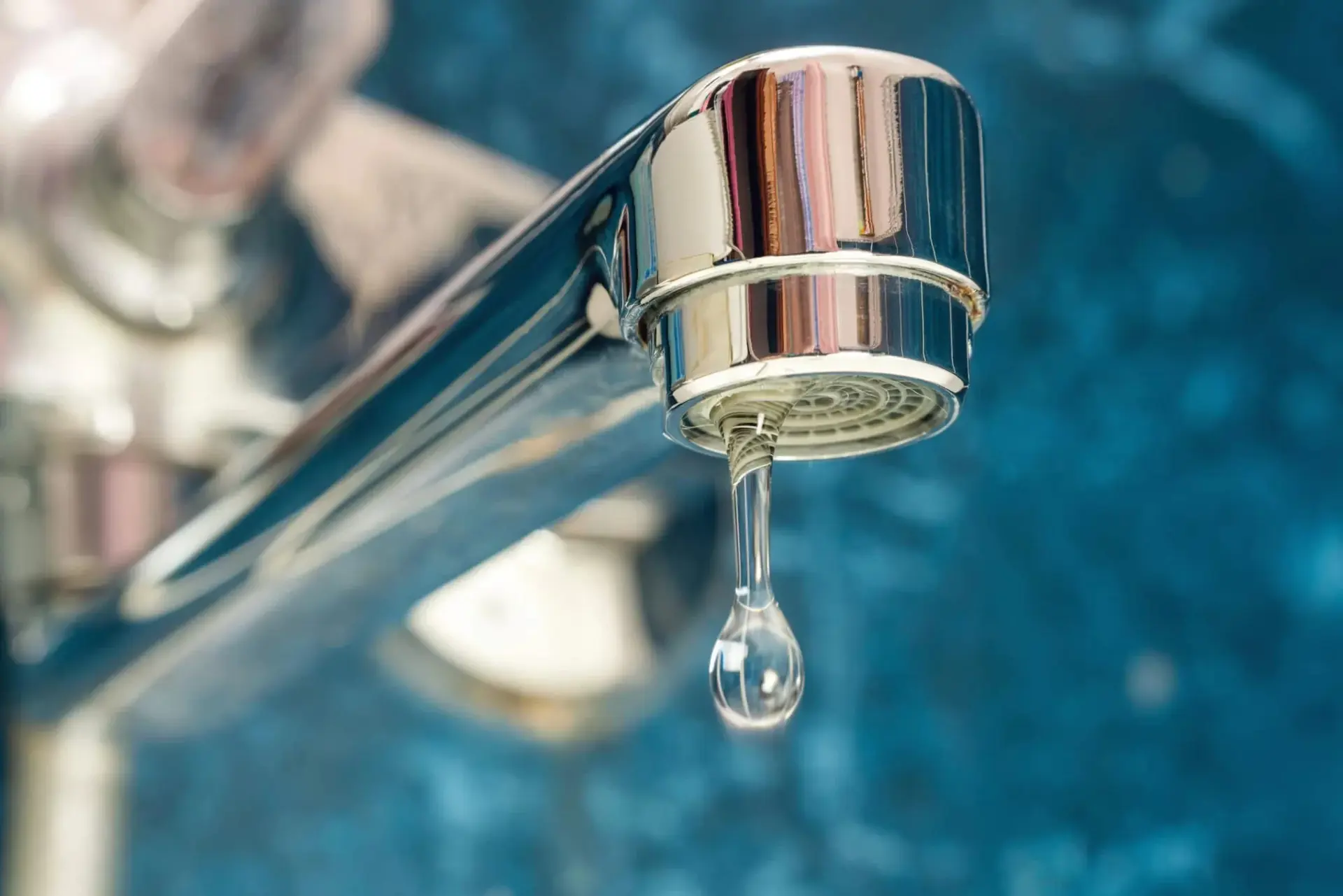
Water damage is a common concern regarding plumbing leaks, but a leaky faucet can also drain your wallet. As an example, just one drip each second wastes more than 1,600 gallons annually. To prevent this, watch for the telltale signs of plumbing leaks in your new home:
- Dripping or bubbling sounds
- High water bills
- Changing water meter readings despite not using any water
- Standing water, wood rot or mold growth under the sinks
- Loose toilet
- Water stains on the ceilings and walls
- Strong musty odors
6. Stock a Basic Plumbing Emergency Kit
Despite what you may think, chemical drain openers shouldn't go in a plumbing emergency kit. These corrosive cleaners can harm your pipes if used continuously. What's more, they only offer a temporary solution at best.
A safer alternative is to have non-chemical supplies on hand the next time you have a plumbing crisis. These include:
- Cup plunger for backed up sinks, tubs and showers
- Flange plunger for clogged toilets
- Hand-crank drain snake for minor blockages
- Adjustable wrench to remove the P-trap from under clogged sinks
- Utility bucket to catch water from a leaky pipe
- Plumber’s tape to fix leaky showerheads
- Duct tape to mitigate the flow of a plumbing leak until a plumber arrives
7. Prevent Clogged Drains from Day One
Whatever flows down the drain besides water can cause a clog. Keep your drains running smoothly with these preventive tips:
- Put in mesh drain covers in bathroom sinks and showers
- Do not flush anything down the toilet aside from human waste and a small amount of toilet paper
- Don't pour cooking oil down the kitchen sink
- Pour a large pot of near-boiling water into every drain each month
8. Have a Plumber on Speed Dial
While our plumbing tips for new homeowners should keep many problems at bay, it’s always sensible to know a reliable plumber in your area. For reliable, affordable work, there’s no better place to turn than Service Experts.
We have locations across North America to assist customers from coast to coast. When you contact our certified plumbers for the job, you can enjoy the peace of mind that every repair and installation job is backed by a Service Experts Guarantee. Get in touch with your local Service Experts office to request plumbing services with us today.